Plantation shutters can increase home value in North Houston. Buyers often view shutters as a permanent feature that adds both function and appeal, and real estate agents frequently list them as a selling point. The return on investment varies by home, neighborhood, and buyer preferences, but shutters consistently perform well as an upgrade that attracts attention during resale.
This guide explains how shutters affect home value, what kind of return you can expect, and why curb appeal matters in the North Houston market.
How Shutters Affect Perceived Value
Buyers form impressions of a home quickly. Window treatments are one of the first things they notice, both from the street and inside the rooms. The type and quality of window coverings signal something about the home’s overall condition and the care previous owners put into it.
Plantation shutters suggest quality. They are a higher-end window treatment that costs more than blinds or shades. When buyers see shutters, they often assume the homeowner invested in other quality finishes throughout the house.
Shutters also look like they belong. Unlike blinds that hang in front of windows, shutters mount to the frame and become part of the architecture. They frame windows the way molding frames a door. This built-in appearance registers as a permanent upgrade rather than a temporary covering.
The uniformity that shutters create matters too. When every window has matching shutters, the home looks cohesive. Mismatched blinds or shades can make a home feel pieced together, while consistent shutters suggest attention to detail.
Return on Investment Expectations
Home improvement ROI varies by project, market conditions, and the home itself. Window treatments are difficult to isolate in resale studies because they are rarely the sole factor in a sale price. However, industry estimates and real estate professionals offer guidance.
Window treatments in general return 50 to 80 percent of their cost at resale when they are in good condition and suit the home. Plantation shutters tend toward the higher end of this range because they last longer, look better, and appeal to more buyers than other treatments.
The actual dollar return depends on the original cost. If you spend $5,000 on shutters, you might expect to recover $3,000 to $4,000 in home value if you sell within a few years while the shutters are still in good condition. If you live in the home for 15 years before selling, the return decreases because buyers expect some wear.
The more important factor may be how shutters affect buyer interest. A home that shows well sells faster and often closer to the asking price. Shutters contribute to that showing quality in ways that are hard to quantify but real in practice.
Curb Appeal in North Houston
First impressions begin at the curb. Buyers often drive by homes before scheduling showings, and listing photos include exterior shots that show how windows look from outside.
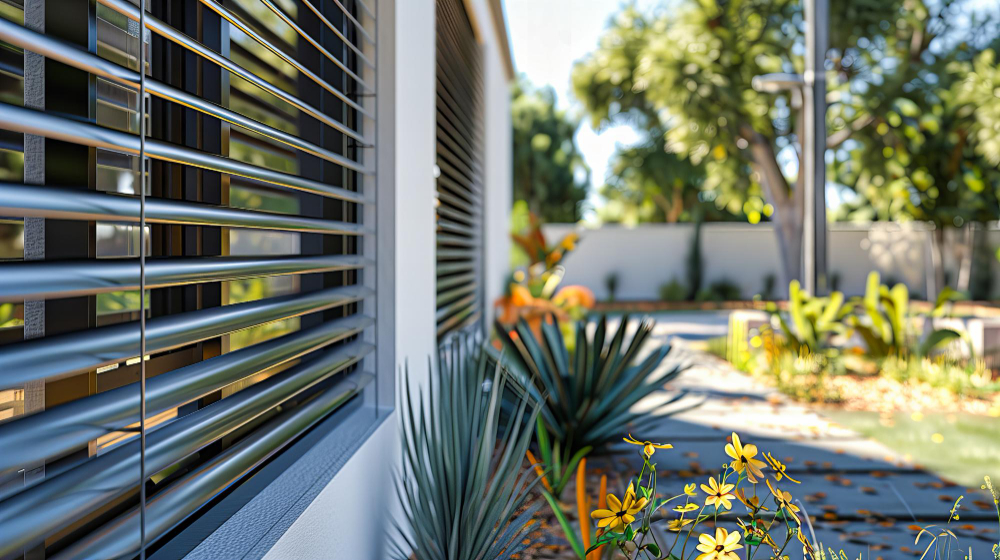
Plantation shutters create a consistent, finished appearance from the street. The louvers align across windows, creating clean horizontal lines. The white or neutral color of most shutters looks crisp against any siding color.
Compare this to a home with mismatched blinds, some tilted at different angles, some missing slats, some faded from sun. The difference in first impression is significant.
In North Houston neighborhoods like The Woodlands, Spring, Tomball, and Magnolia, curb appeal matters. These areas have established neighborhoods where buyers compare similar homes. The details make a difference when multiple houses compete for the same buyers.
Newer subdivisions also value curb appeal because buyers in these areas often move from existing homes and have developed expectations for finish quality. Shutters meet those expectations in a way that builder-grade blinds do not.
What Buyers in North Houston Expect
The North Houston market includes a range of buyers, from first-time homeowners to families moving up to retirees downsizing. Their expectations vary, but some patterns emerge.
Move-up buyers often come from homes with basic window treatments. They notice when a home has been upgraded. Shutters signal that the current owners cared about the property and likely maintained other systems and finishes as well.
Buyers relocating from other regions may have experience with shutters in their previous homes. They recognize the value and appreciate finding shutters already installed. Not having to purchase and install window treatments is a tangible benefit when moving.
Families with children often appreciate the cordless operation of shutters. Safety concerns about blind cords are well-known, and shutters eliminate that issue. This practical benefit adds to the appeal for family buyers.
Buyers focused on energy efficiency notice that shutters provide insulation. In the North Houston heat, any feature that helps with cooling costs is attractive. Shutters installed on west-facing windows can make a noticeable difference in afternoon comfort.
Specific Benefits for the North Houston Climate
North Houston shares the heat and humidity of the greater Houston area. Summers are long and hot. Energy costs for cooling are a significant household expense. These conditions make shutters more valuable than they might be in milder climates.
Heat control matters here. Shutters create an insulating barrier that slows heat transfer through windows. In a market where buyers know they will run the AC for six months or more each year, anything that reduces that cost is appealing.
Durability in humidity matters. Composite and polymer shutters resist moisture better than wood alternatives. In North Houston, where humidity can exceed 90 percent in summer, shutters made from materials that hold up in these conditions add value because buyers know they will last.
Protection from UV damage matters. The strong Texas sun fades furniture, flooring, and artwork. Shutters that block UV rays while still allowing adjustable light control protect the interior. Buyers who have experienced sun damage in previous homes appreciate this function.
How Shutters Compare to Other Upgrades
Home sellers often prioritize which upgrades give the best return. Window treatments compete with other improvements for limited renovation budgets.
Kitchen and bathroom updates typically return more than window treatments. These spaces have outsized influence on buyer decisions. If you must choose between shutter installation and a kitchen refresh, the kitchen usually wins.
However, window treatments are visible in every room. A home with updated kitchens and bathrooms but mismatched, worn blinds sends a mixed message. Consistent shutters throughout create a finished look that supports other upgrades.
Flooring, paint, and lighting also compete for renovation dollars. Shutters work well alongside these improvements. Fresh paint looks better with clean window treatments. New flooring shows off better without faded or dated blinds. The combination of updates creates a cohesive impression.
For homes that already have current kitchens and bathrooms, shutters become a more attractive investment. They may be the finishing touch that sets a home apart from similar listings.
Timing of Installation
When you install shutters affects the return you receive.
Installing shutters years before selling lets you enjoy them while living in the home. You benefit from the light control, energy savings, and appearance for years. The cost per year of enjoyment decreases the longer you use them.
Installing shutters shortly before selling maximizes their impact on buyers. The shutters look new and create the strongest impression. However, you pay full price without years of personal benefit.
Many homeowners split the difference by installing shutters as they can afford them over time, then touching up or adding to them before listing. This approach balances personal enjoyment with resale preparation.
If you plan to sell within a year, shutters still make sense if the home lacks adequate window treatments. Showing a home with old, mismatched blinds hurts the impression. New shutters can change how buyers perceive the entire property.
Neighborhoods Where Shutters Matter Most
Not all North Houston neighborhoods value shutters equally. The local market and buyer expectations vary.
Higher-end subdivisions in The Woodlands, such as Creekside Park and Sterling Ridge, attract buyers who expect quality finishes. Shutters are common in these areas, and a home without them may stand out negatively.
Established neighborhoods in Spring and Champions Forest have homes of varying ages and conditions. Shutters can help an older home compete with renovated listings.
Growing areas in Tomball and Magnolia attract buyers building equity through property appreciation. Improvements like shutters that add value align with these buyers’ goals.
More affordable neighborhoods may see less return from shutters because the buyer pool is more price-sensitive. However, even in these areas, shutters can help a home stand out and sell faster.
Making the Investment Decision
Consider these factors when deciding if shutters make sense for your home and goals.
How long will you stay? If you plan to live in the home for many years, you will enjoy the shutters yourself while also building value for eventual resale.
What do comparable homes have? If similar homes in your neighborhood have shutters, buyers will expect them. If not, shutters can differentiate your listing.
What is your budget? Shutters cost more than other window treatments. Ensure the investment fits your overall home improvement plan.
What condition are your current treatments in? Replacing worn or dated blinds with shutters creates immediate improvement. Adding shutters to a home with new blinds provides less marginal benefit.
Every home and situation is different. If you want to understand how shutters would affect your specific home and neighborhood, a professional in-home consultation can help you evaluate the options and make an informed decision.