Living with pets changes what you need from your window coverings. Cats climb, dogs bark at the mail carrier, and both like to park themselves at the window to watch the world. That means the blinds take a beating that a pet free home never sees. Cords get chewed, slats get bent, and the whole covering collects hair and nose prints. Picking blinds built for that reality saves you from replacing them every year and keeps your pets safer at the same time.
Here is what to look for in blinds when you share your home with animals.
What Pets Do to Blinds
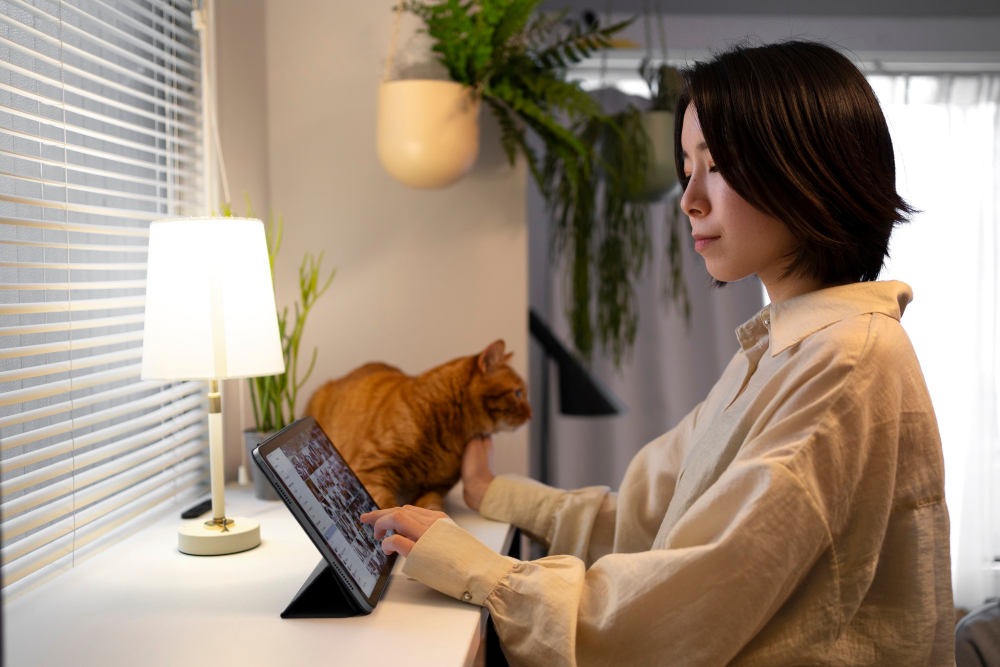
Before picking blinds, it helps to know what you are up against. Pets interact with windows more than people do. A cat will climb the slats or squeeze behind them to reach the sill. A dog will paw at the blinds when someone walks by. Both push through the slats to look outside, bending them over time.
Then there is the mess. Pets shed, and that hair settles on the slats. Dogs leave nose prints on the lower slats and the glass. Muddy paws smudge the bottom of the covering. So the blinds you pick need to handle rough treatment and clean up easily, since they will need cleaning often.
Bending & Damage
The most common damage is bent slats. A pet pushing through to look outside bends the slats at the bottom of the blind, right at their eye level. Thin slats bend easily and stay bent. Sturdier materials hold up better to the pushing and pawing.
Hair & Mess
Pet hair clings to blinds, and slats give it plenty of places to settle. Nose prints and paw smudges add to the mess. Blinds that wipe clean easily save you a lot of effort, since a pet home means cleaning the coverings more often than most.
Go Cordless for Safety
The single most important choice for a pet home is cordless blinds. Cords are a hazard for pets just like they are for children. A curious cat or dog can get tangled in a dangling cord, and the accidents happen fast. Cordless blinds remove that risk entirely, since there is no cord to catch on.
Cordless blinds also solve the chewing problem. Pets chew cords, which wrecks the blinds and puts the pet at risk. With no cords, there is nothing to chew. You lift and lower the blind by hand or with a motor, which keeps the window clean and the pet safe. For any home with animals, going cordless is the clear move.
Faux Wood for Durability
Faux wood blinds are a strong pick for pet owners. The slats are sturdier than thin aluminum or vinyl, so they stand up better to pawing and pushing. They resist moisture, which helps with the wet nose prints and the occasional muddy paw. And they wipe clean with a damp cloth, which handles the hair and smudges a pet leaves behind.
Faux wood also holds its shape where cheaper materials warp or bend. For the bottom slats that take the most abuse from a pet at the window, that durability matters. You get a blind that keeps looking right even in a home where the dog greets every passerby at the glass.
Aluminum & Vinyl Trade Offs
Aluminum and vinyl blinds cost less, which is tempting, but they bend more easily under pet pressure. A cat climbing them or a dog pawing at them can leave the slats crooked fast. If you go this route to save money, know that you may replace them sooner in a pet home.
That said, for a low traffic window a pet rarely reaches, a budget blind can work fine. The move is to put the sturdier blinds where pets spend their time, like the window the dog watches or the sill the cat claims, and save the cheaper ones for windows out of a pet’s reach.
Easy to Clean Matters Most
Since pets mean more mess, easy cleaning is one of the biggest factors. Blinds that wipe down with a damp cloth handle hair, nose prints, and smudges without much effort. Faux wood, vinyl, and aluminum all wipe clean, while fabric shades hold onto hair and smells more.
For a pet home, a covering you can wipe quickly beats one that needs special care. A weekly wipe of the lower slats, where the mess collects, keeps the blinds looking right. The easier that is, the more likely you keep up with it, which keeps the whole window cleaner.
Consider Where Pets Spend Time
Think about your pet’s habits when picking blinds for each window. The window the dog watches the street from takes the most abuse and needs the sturdiest, most washable covering. The sunny sill the cat naps on needs a covering that holds up to climbing. Windows in rooms the pets do not use much can take a lighter covering.
Raising the blinds up higher on the windows pets reach, or choosing top down shades, can also keep the covering out of a pet’s path while still covering the glass. Matching the covering to how each pet uses each window keeps the blinds lasting longer.
Getting the Right Fit
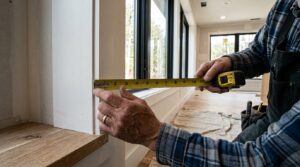
A blind that fits the window right operates smoothly and holds up better to daily pet use. A covering measured for the exact window sits clean and does not have loose spots for a pet to push through or catch on. A proper measure and install keeps the blinds working well even in a busy pet home.
For the windows pets use most, a good fit and a sturdy, cordless, washable blind is the combination that lasts. Getting the fit right at the start means fewer problems down the road, which matters more in a home where the coverings take extra wear.
Where We Go from Here
The best blinds for pet owners handle the wear, the mess, and the safety concerns that come with animals. Go cordless first, since cords are a hazard and a chew target, and going cordless removes both problems. Choose faux wood for the windows pets use most, since the sturdy slats resist bending and wipe clean easily. Save cheaper aluminum or vinyl for low traffic windows out of a pet’s reach.
Pick coverings that clean up fast, since a pet home means more hair, prints, and smudges. Think about where your pets spend their time and match the covering to each window’s use. Get the fit right so the blinds hold up. Do that, and your blinds will handle life with pets while keeping your animals safe at the window.