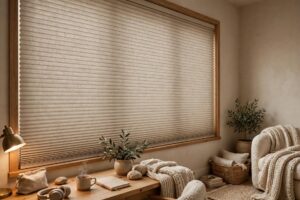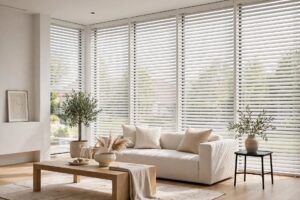
You can use curtains with plantation shutters, and many homeowners do. The combination works when you want to soften the look of a room, add color or texture, improve light blocking, or create a more layered appearance. Plantation shutters alone provide excellent light control and privacy, but curtains add design options that shutters cannot offer on their own.
The question is not if you can combine them, but if you should for your particular room and goals. This guide explains when the combination makes sense, how to make it work, and when shutters alone are the better choice.
Why Homeowners Add Curtains to Plantation Shutters
Shutters have a clean, architectural look. They frame the window and become part of the structure. For some rooms and some styles, this is exactly right. The horizontal lines of the louvers and the vertical frames create a structured appearance that suits many homes. For other rooms, the look feels too spare or lacks warmth.
Curtains add softness that hard materials cannot provide. The fabric drapes and moves in ways that wood or composite never will. In bedrooms, living rooms, and dining rooms where you want a welcoming feel, curtains contribute to that atmosphere. The fabric catches light differently than solid surfaces and creates visual texture that shutters alone do not offer.
Adding Color and Pattern
Curtains also add color and pattern to a room. Shutters typically come in white, off-white, or wood tones. These neutral colors work widely but do not add accent color to a space. If your room needs a pop of color or a pattern to tie the design together, curtains provide that without requiring you to paint or replace the shutters. You can change the curtains seasonally or when you redecorate without touching the shutters.
Creating Visual Height
Height is another factor that leads homeowners to add curtains. Curtains hung near the ceiling draw the eye upward and make rooms feel taller. Shutters stop at the top of the window frame, which is typically well below the ceiling. If you want to emphasize ceiling height or make windows appear grander than they are, curtains mounted high add that visual effect while the shutters handle the practical work of light control.
Improving Light Blocking
Light blocking is practical in some rooms. Plantation shutters control light well, but some light still enters around the louvers when closed. The gaps between slats, even when tilted shut, allow traces of light through. For bedrooms where you want complete darkness for sleep, adding blackout curtains over shutters provides an extra layer of light blocking that shutters alone cannot achieve.
According to the U.S. Department of Energy, layering window treatments can reduce heat loss through windows by 10-25%. In the Houston Gulf Coast area, this dual-barrier approach helps with both cooling costs in summer and heating efficiency in winter—a benefit we explore further in our guide on plantation shutters in Houston heat.
Seasonal Flexibility
Seasonal flexibility comes from having two treatments to work with. In summer, you might leave curtains open and rely on shutters alone for a lighter feel. In winter, drawing heavy curtains adds insulation and creates a cozier atmosphere when temperatures drop.
Using Sheer Curtains with Plantation Shutters
Sheer curtains deserve special attention because they’re one of the most popular pairings with plantation shutters. Unlike heavy drapes, sheers provide a light, airy feel that complements rather than competes with shutters.
What sheer curtains add:
- Softness without blocking the architectural lines of the shutters
- Gentle light diffusion during the day
- Privacy while maintaining natural light
- Movement and flow when windows are open
- A romantic or coastal aesthetic
Sheers work particularly well in living rooms, sunrooms, and dining areas where you want the flexibility of shutters for light control but desire a softer visual than wood or composite alone provides. White or cream sheers are classic choices, but soft grays, blush tones, and natural linen sheers also pair beautifully with neutral shutters.
The key is choosing sheers that puddle slightly on the floor or just kiss it—anything shorter looks unfinished when paired with the structured look of shutters.
Rooms Where Curtains Work Best with Plantation Shutters
The combination works best in certain rooms and situations. Knowing these helps you decide if adding curtains makes sense for your home.
Bedrooms
Bedrooms benefit from the layered approach more than most rooms. The shutters provide daily light control and privacy. You can tilt the louvers to let in morning light or close them for darkness. The curtains add warmth to the room and, if you choose blackout fabric, block the remaining light that enters around the shutter louvers. Drawing the curtains at night creates a cozy, enclosed feeling that many people find relaxing and conducive to sleep.
For master bedrooms and guest rooms, this combination also adds a finished, hotel-like quality that single window treatments cannot achieve.
Living Rooms and Family Rooms
Living rooms and family rooms can use curtains to soften the look of multiple windows with shutters. A wall of windows with only shutters can feel stark in some design styles, particularly in larger rooms where the repetition of shutter panels becomes prominent. Adding curtains on the outer edges of the window grouping frames the view and adds visual interest without covering the shutters themselves. The curtains act as a border that defines the window wall.
This approach works especially well in open-concept homes where the living area flows into the dining or kitchen space.
Dining Rooms
Dining rooms often benefit from a more formal look than other spaces in the home. Shutters provide the practical function of light control for daytime meals and privacy for evening gatherings. Floor-length curtains in quality fabric add elegance that suits the room’s purpose. When you host dinners or holidays, the layered look creates atmosphere that shutters alone might not achieve.
Velvet, silk, or lined linen curtains in rich colors work beautifully in dining rooms paired with painted shutters.
Home Offices
Home offices have become important spaces where video call backgrounds matter. Curtains over shutters give you options:
- Keep curtains closed for a soft, professional background during video meetings
- Open curtains to frame the shutters for a more architectural look
- Adjust shutters independently for glare control on computer screens
Light-filtering curtains in neutral tones work well here, providing the flexibility you need without the dramatic statement of bedroom blackout curtains.
Rooms with High Ceilings
Rooms with high ceilings work well with curtains extending from near the ceiling to the floor. This emphasizes the vertical dimension and makes the windows feel grander than they would with shutters alone. The long drop of fabric draws the eye upward and showcases the ceiling height that the room offers.
In two-story living rooms or homes with 10+ foot ceilings, this effect prevents the shutters from looking too small for the wall space they occupy.
When to Skip Curtains and Use Plantation Shutters Alone
Not every room needs curtains over shutters. In some cases, they add clutter rather than value. Knowing when to skip curtains is as important as knowing when to add them.
Kitchens
Kitchens typically work better with shutters alone. Fabric near cooking areas collects grease, odors, and airborne particles from food preparation. The streamlined look of shutters suits the functional nature of kitchens, where easy cleaning and practical surfaces matter more than soft furnishings.
If you want window treatments in your kitchen, moisture-resistant faux wood blinds or shutters are better choices than fabric.
Bathrooms
Bathrooms rarely need curtains. Moisture and steam affect fabric, eventually leading to mildew or water spots. The casual nature of most bathrooms does not call for the formality that curtains suggest. Shutters made from moisture-resistant materials handle bathroom conditions well on their own.
For more bathroom-specific recommendations, see our guide on the best window treatments for bathrooms.
Contemporary and Minimalist Spaces
Contemporary and minimalist spaces often look better with shutters alone. The clean lines of shutters fit these aesthetics, while curtains can feel out of place or cluttered. If your design goal is simplicity and restraint, adding fabric contradicts that purpose.
Modern homes with sleek furniture, minimal decoration, and neutral color palettes benefit from the architectural purity that shutters provide without additional softening.
Small Rooms
Small rooms can feel crowded with too many window treatments. If the room is tight on space, shutters alone keep the look simple and avoid overwhelming the windows. Every element in a small room matters more, and unnecessary fabric can make the space feel smaller.
The exception would be floor-length panels in the same color as the walls, which can actually make a small room feel taller—but this requires careful color coordination.
Rooms with Important Views
Rooms where you want to maximize the view may work better without curtains. Curtains take up space on either side of the window when open, reducing the visible glass by several inches on each side. If the view is important to you, shutters alone let you expose more of the window when you want to see outside.
Homes overlooking water, gardens, or natural landscapes often benefit from keeping the window treatments as minimal as possible.
How to Choose the Right Curtains for Plantation Shutters
If you decide to add curtains, the choices you make affect how well the combination works. The wrong curtains can undermine the look you want to achieve.
Length Matters
Length matters more than many homeowners realize. Floor-length curtains create a formal look and draw the eye from ceiling to floor in one continuous line. Curtains that stop at the sill or below the sill look more casual but can appear unfinished in some rooms, especially when paired with the structured look of shutters.
For most pairings with shutters, floor-length or just above the floor works best. Some designers prefer a slight puddle on the floor (½ to 1 inch of extra fabric) for a relaxed feel, while others prefer the curtains to just kiss the floor for a clean line.
What to avoid: Curtains that end at the windowsill or midway down the wall. This creates an awkward proportion when combined with shutters and makes the window look chopped in half.
Fabric Weight
Fabric weight affects the drape and feel of the curtains. Heavier fabrics like velvet, lined linen, or thick cotton hang in structured folds and add formality to a room. They also provide better light blocking and insulation. Lighter fabrics like sheer cotton or unlined linen move with air currents and feel more casual.
Consider the mood you want for the room when choosing weight. A formal dining room calls for different fabric than a breezy sunroom.
Popular fabric choices by room:
- Bedrooms: Blackout-lined cotton or linen for sleep quality
- Living rooms: Medium-weight linen or cotton blends for versatility
- Dining rooms: Velvet, silk, or heavy lined drapes for elegance
- Casual spaces: Sheer linen or cotton voile for lightness
Color and Pattern
Color and pattern should complement the room without competing with the shutters. Since shutters are typically neutral, you have flexibility with curtain colors. Solid colors in mid-tones work widely and age well over time. Bold patterns can work but require care to avoid overwhelming the space.
Remember that shutters already have visual pattern from the horizontal louvers and vertical frames. Adding heavily patterned curtains can create visual conflict. If you do choose patterns, consider:
- Large-scale patterns rather than busy small prints
- Geometric patterns that echo the linear quality of shutters
- Subtle tone-on-tone patterns that add texture without color contrast
Mounting Position
Mounting position affects the final look significantly. Curtains mounted at ceiling height make the room feel taller and create drama. Curtains mounted just above the window frame feel more contained and traditional.
Specific measurements:
- For standard 8-foot ceilings: Mount the rod 3-6 inches above the window frame
- For 9-10 foot ceilings: Mount the rod 6-8 inches above the window frame or at ceiling height
- For vaulted or very high ceilings: Always mount at or near the ceiling to maximize the vertical line
For most pairings with shutters, mounting higher creates a better proportion and takes advantage of the height that curtains can add.
Hardware Selection
Hardware should suit the style of the room. Simple rods in metal or wood work with most looks and do not distract from the window treatments. Decorative finials and rings add formality and become a design element themselves. The hardware becomes part of what people see, so choose pieces that fit the room rather than defaulting to basic options.
Hardware styles by design aesthetic:
- Traditional: Decorative finials, rings, ornate brackets in bronze or brass
- Transitional: Simple rods in brushed nickel or matte black with minimal finials
- Contemporary: Sleek track systems or ultra-minimal rods in chrome or black
- Coastal: Natural wood rods or white-painted hardware
- Farmhouse: Black iron rods or distressed wood
Alternatives to Full Curtains: Valances, Cornices, and Top Treatments
Not every room needs full curtain panels. Sometimes a top treatment provides the softness and color you want without the commitment of floor-length fabric.
Valances
Valances are short fabric treatments that cover just the top portion of the window. They add color and softness while leaving the shutters fully visible. Valances work well in:
- Kitchens where you want a touch of fabric without the maintenance issues
- Small bathrooms where full curtains would be too much
- Breakfast nooks and casual dining areas
- Any room where you want to add pattern without blocking the architectural quality of the shutters
Tailored valances with clean lines pair better with shutters than gathered, ruffled styles, which can look too fussy.
Cornices
Cornices are rigid top treatments, usually made of wood covered in fabric or paint. They frame the top of the window and add architectural interest without introducing draping fabric. Cornices work beautifully with shutters in:
- Formal dining rooms
- Traditional living rooms
- Bedrooms where you want structure rather than softness
- Rooms with multiple windows where a cornice unifies the look
The combination of a cornice top treatment with plantation shutters below creates strong architectural lines that suit classic and traditional interiors.
Swags and Cascades
For very formal or traditional rooms, swags and cascades provide elegant top treatments. These are draped fabric pieces that frame the top corners of the window. They add luxury and formality without covering the shutters.
This combination works in:
- Formal dining rooms
- Master bedrooms in traditional homes
- Living rooms with high ceilings and formal furniture
The key is keeping the fabric treatment at the top of the window only, allowing the shutters to remain the functional element.
How to Hang Curtains Over Plantation Shutters (Step-by-Step)
The practical aspects of hanging curtains over shutters require some planning to work correctly.
Step 1: Measure Your Windows and Shutters
Before purchasing curtains or hardware, measure:
- Window width (inside the frame)
- Shutter width (including the frame projection from the wall)
- Distance from the top of the shutter to the ceiling
- Projection of the shutter from the wall (depth)
Step 2: Choose the Right Curtain Rod Length
The curtain rod should extend 4-6 inches beyond the shutter frame on each side. This allows the curtain panels to stack completely off the shutters when open, preventing them from blocking the shutters or interfering with their operation.
For a 36-inch wide window with a 40-inch wide shutter frame, you would need a curtain rod approximately 48-52 inches long (40 inches + 4-6 inches on each side).
Step 3: Determine Mounting Height
Mount the curtain rod:
- 3-6 inches above the window frame for standard installations
- At or near the ceiling for a more dramatic, height-emphasizing look
Higher mounting works best in rooms with 9+ foot ceilings. In standard 8-foot ceiling rooms, mounting too high can look awkward if there’s minimal wall space between the window and ceiling.
Step 4: Calculate Bracket Projection
The curtain rod brackets must project far enough from the wall to position the curtains in front of the shutters without touching them.
Measurements based on shutter type:
- Inside-mount shutters: Standard 3-5 inch projection brackets usually work, as the shutters sit within the window frame
- Outside-mount shutters: You may need 6-8 inch projection brackets or ceiling-mounted rods to clear the shutter frame
If your shutters have a front tilt bar (the visible bar used to tilt the louvers), ensure the curtains will have clearance to avoid catching on it when you draw them open or closed.
Step 5: Install the Hardware
Follow the manufacturer’s instructions for your specific rod and brackets. Use wall anchors if you’re not drilling into studs, as curtain rods with fabric can be heavier than they appear.
For ceiling-mounted rods (common with outside-mount shutters or in rooms where you want maximum height), ensure you’re drilling into ceiling joists or using appropriate anchors rated for the weight.
Step 6: Hang the Curtains
Hang your curtain panels on the rod and adjust them so they hang evenly. The hem should just touch the floor or puddle slightly, depending on your preference.
Step 7: Add Tiebacks or Holdbacks
Tiebacks or holdbacks keep curtains to the sides when open. This prevents them from drifting in front of the shutters and interfering with their operation. Holdbacks also keep the look tidy during the day when you want the curtains out of the way.
Install holdbacks approximately one-third up from the sill for proper proportion. So for a 60-inch window height, install holdbacks about 20 inches from the sill.
[Image 6: “curtains-held-back-beside-plantation-shutters”]
Alt text: “Curtains with decorative holdbacks positioned beside white plantation shutters”
How to Use Curtains and Plantation Shutters Together Daily
When you have both shutters and curtains, you need to think about how you will use each one daily.
During the Day
During the day, most homeowners leave the curtains open and use the shutters for light control. The shutters tilt to adjust light as the sun moves across the sky. The curtains frame the window but stay to the sides, adding their visual contribution without blocking function.
This approach makes the most sense because:
- Shutters are easier to adjust than heavy curtains
- You can fine-tune light with the louver tilt
- The room feels more open with curtains pulled back
- You maximize your view
At Night
At night, you might close the curtains for extra privacy, warmth, or light blocking. The shutters can stay closed behind the curtains for maximum darkness, or you can open the shutters and let the curtains provide the privacy on their own.
In bedrooms, closing both creates the darkest environment for sleep. In living rooms, you might close the curtains for a cozy feel while leaving shutters open to avoid the extra step of opening both in the morning.
Seasonal Adjustments
The layered approach gives you seasonal options:
- Summer: Keep curtains open most of the time, using shutters for sun control
- Winter: Draw curtains in the evening for insulation and warmth
- Transitional seasons: Use combinations based on temperature and light needs
The flexibility is valuable, but it also means two things to adjust instead of one. If simplicity matters to you and you do not want to fuss with multiple treatments, shutters alone may be the better choice. For more on comparing window treatment options, see our guide on blinds vs. shades vs. shutters.
Best Design Styles for Curtains with Plantation Shutters
Certain design styles traditionally pair shutters with curtains, while others favor shutters alone.
Traditional and Classic Interiors
Traditional and classic interiors often use the combination. The architectural lines of shutters suit the structured nature of traditional design, while curtains add the softness and fabric that traditional rooms expect. This pairing has a long history and looks appropriate in homes with classic details.
Traditional rooms typically use:
- Lined or interlined curtains for body and structure
- Formal fabrics like silk, velvet, or damask
- Floor-length panels, often with a slight break or puddle
- Decorative hardware with finials
- Coordinating tiebacks or holdbacks
Transitional Design
Transitional design, which bridges traditional and contemporary, works well with restrained curtains over shutters. Simple panels in solid colors add warmth without overwhelming the space. The key is restraint rather than elaborate fabric treatments.
Transitional rooms pair shutters with:
- Clean-lined linen or cotton panels
- Solid or tone-on-tone subtle patterns
- Simple rod and ring hardware
- Neutral colors that complement wall tones
- Floor-length curtains with no puddle
Coastal and Cottage Styles
Coastal and cottage styles sometimes pair shutters with light, breezy curtains. Sheer panels or lightweight linen in white or natural tones complement the relaxed feel of these aesthetics.
The combination works when:
- Shutters are painted white or a soft coastal color
- Curtains are light and airy, not heavy
- The overall feel is casual and relaxed
- Natural textures are emphasized over formal fabrics
According to interior designers at Houzz, layering window treatments in coastal homes adds texture while maintaining the light, open feel that defines the style.
Farmhouse and Rustic Styles
Farmhouse interiors pair well with simple curtains over shutters, especially when the shutters are in natural wood tones or painted in farmhouse colors like white, cream, or sage.
Farmhouse combinations typically include:
- Linen or cotton curtains in natural tones
- Simple rod hardware, often in black iron or wood
- Minimal embellishment
- Focus on texture rather than pattern
Contemporary and Modern Spaces
Contemporary and modern spaces typically do not pair shutters with curtains. The clean lines and minimal approach of these styles favor shutters alone. Adding fabric can feel like clutter in spaces designed for simplicity.
If you do add curtains in a contemporary space, keep them:
- Extremely simple in design
- In solid, neutral colors
- Mounted on minimal track systems
- Used sparingly, perhaps only on focal windows
What Does It Cost to Add Curtains Over Plantation Shutters?
Understanding the investment helps you decide if curtains make sense for your budget.
Curtain Panel Costs
Budget options: $20-$50 per panel
- Ready-made panels from home stores
- Limited size and fabric options
- Often require hemming for proper length
Mid-range options: $100-$300 per panel
- Custom-length panels
- Better fabric quality and lining options
- Wider selection of colors and patterns
High-end custom drapery: $300-$800+ per panel
- Professional fabrication and installation
- Premium fabrics and interlining
- Perfect fit and finish
- Custom details like trim, banding, or unique heading styles
Remember that most windows need two panels (one for each side), so double these costs per window.
Hardware Costs
Basic curtain rods: $30-$75 per window
- Simple styles in standard finishes
- DIY installation
- Functional but minimal design impact
Mid-range hardware: $75-$150 per window
- Better quality materials
- More finish options
- Some decorative elements
High-end or custom hardware: $150-$400+ per window
- Designer finishes and styles
- Heavy-duty construction for long curtains
- Significant design impact
Installation Costs
If you hire professional installation:
- DIY: $0 (just the cost of a drill and level you may already own)
- Professional installation: $50-$150 per window depending on complexity
For homes with very high ceilings or large windows, professional installation ensures safety and proper positioning.
Total Investment Range
For a typical bedroom with two windows:
- Budget approach: $200-$400 total
- Mid-range approach: $800-$1,500 total
- High-end approach: $2,000-$4,000+ total
This is in addition to your existing investment in shutters, making it important to evaluate whether the aesthetic and functional benefits justify the cost for your particular situation.
Room-by-Room Curtain Recommendations with Plantation Shutters
Here’s a quick reference guide for deciding about curtains in each room:
| Room | Add Curtains? | Best Curtain Style | Primary Benefit |
|---|---|---|---|
| Master Bedroom | Yes | Blackout, floor-length panels | Sleep quality, light blocking, warmth |
| Guest Bedroom | Optional | Medium-weight lined panels | Versatility for guests, finished look |
| Living Room | Yes | Linen or cotton panels, possibly sheers | Softness, color, visual warmth |
| Dining Room | Yes | Formal drapes, floor-length | Elegance, special occasion atmosphere |
| Kitchen | No | Skip curtains | Easy cleaning, practical maintenance |
| Bathroom | No | Skip curtains | Moisture resistance, appropriate styling |
| Home Office | Optional | Light-filtering panels | Video call backgrounds, glare control |
| Sunroom | Optional | Sheer or light panels | Softness while maintaining light |
| Kids’ Bedrooms | Optional | Washable panels, blackout | Light control for sleep, easy care |
| Hallway Windows | No | Skip curtains | Simplicity, traffic flow |
Common Mistakes to Avoid When Pairing Curtains with Shutters
Learning from others’ mistakes saves you time and money.
Mistake #1: Choosing Curtains That Are Too Short
Curtains that end at the windowsill or mid-wall create an awkward proportion with the structured lines of shutters. The combination looks unfinished and disrupts the vertical line that makes rooms feel taller.
Fix: Always choose floor-length curtains when pairing with shutters, or at least curtains that extend several inches below the shutter frame.
Mistake #2: Mounting the Rod Too Low
When the curtain rod is mounted only an inch or two above the window frame, you miss the opportunity to add height to the room. The curtains appear to start where the window starts rather than drawing the eye upward.
Fix: Mount rods at least 3-6 inches above the frame, or at ceiling height for maximum impact.
Mistake #3: Not Allowing Enough Stacking Space
If your curtain rod only extends to the edge of the window or shutter frame, the curtains will cover part of the shutters even when fully open. This defeats the purpose of having both treatments.
Fix: Extend the rod 4-6 inches beyond the shutter frame on each side.
Mistake #4: Insufficient Bracket Projection
When brackets don’t project far enough from the wall, curtains hang too close to the shutters and may catch on the tilt bar or frame when you try to operate either treatment.
Fix: Measure your shutter depth before purchasing brackets. Use 6-8 inch projection brackets for outside-mount shutters or consider ceiling-mounted rods.
Mistake #5: Choosing Colors That Clash
While curtains offer an opportunity to add color, choosing a color that clashes with your shutter finish or paint color creates visual tension rather than harmony.
Fix: Bring home fabric samples and view them next to your shutters in both natural and artificial light before committing.
Mistake #6: Over-Layering in Small Rooms
Adding heavy, dark curtains to a small room with shutters can make the space feel cramped and closed in rather than cozy.
Fix: In small rooms, use light-colored sheers or skip curtains entirely. If you want softness, consider a simple valance instead.
Mistake #7: Ignoring the Tilt Bar
Front tilt bars on shutters can catch on curtains that hang too close, making it frustrating to operate either treatment.
Fix: Test the clearance by holding fabric in position before installation. Ensure curtains hang at least 2-3 inches away from any tilt bar.
Mistake #8: Buying the Wrong Curtain Width
Curtains that are too narrow look skimpy and won’t provide adequate coverage or the proper fullness when closed. Most curtains should be 1.5 to 2 times the width of the rod for proper fullness.
Fix: For a 60-inch wide rod, purchase panels that total 90-120 inches in width.
Frequently Asked Questions
Do curtains look good with plantation shutters?
Yes, curtains can look very good with plantation shutters when chosen and installed properly. The combination works best in bedrooms, living rooms, and dining rooms where you want to add softness, color, or extra light blocking. The key is choosing floor-length curtains in styles that complement your shutters rather than compete with them.
What type of curtains go with plantation shutters?
The best curtains for plantation shutters are floor-length panels in medium to light-weight fabrics. Linen, cotton, and sheer materials work well. Choose solid colors or subtle patterns that complement the neutral tones of most shutters. For bedrooms, blackout-lined curtains add functional light blocking. For living areas, unlined or light-filtering curtains add softness without heaviness.
Should you put curtains on every window with shutters?
No, you should not put curtains on every window with shutters. Kitchens, bathrooms, and small spaces typically look better with shutters alone. Add curtains only to rooms where you want extra softness, color, light blocking, or a more formal appearance. Bedrooms, living rooms, and dining rooms are the most common spaces to combine both treatments.
Can you use sheer curtains with plantation shutters?
Yes, sheer curtains work beautifully with plantation shutters. Sheers add softness and movement without blocking the architectural lines of the shutters. They provide gentle light diffusion and privacy during the day while allowing you to use the shutters for precise light control. White, cream, and natural linen sheers are popular choices that complement neutral shutters.
Do plantation shutters and curtains make a room look smaller?
They can if not chosen carefully. Heavy, dark curtains in a small room with shutters may feel overwhelming. However, floor-length curtains in light colors mounted at ceiling height can actually make a room feel taller. The key is keeping curtain colors light and fabrics from being too heavy in smaller spaces.
How far should the curtain rod extend past plantation shutters?
The curtain rod should extend 4-6 inches beyond the shutter frame on each side. This allows the curtain panels to stack completely off the shutters when open, ensuring they don’t block the shutters or interfere with operation. For very wide windows, you may extend even further for proper proportion.
Can you use valances instead of full curtains with shutters?
Yes, valances work well as a lighter alternative to full curtain panels. A simple tailored valance at the top of the window adds color and softness without covering the shutters. This approach works in kitchens, breakfast nooks, and casual spaces where full curtains would be too much.
Do Roman shades work with plantation shutters?
While you can layer Roman shades with plantation shutters, it’s usually unnecessary. Both treatments provide light control and privacy, so having both is redundant in most cases. If you want a layered look in a bedroom for maximum light blocking, blackout Roman shades behind shutters can work, but curtains are typically a more cost-effective choice for that purpose.
Should curtains go behind or in front of plantation shutters?
Curtains always go in front of plantation shutters. The shutters are mounted directly to or inside the window frame, while curtains hang from a rod positioned several inches in front of the shutters. This layering allows you to operate each treatment independently.
How do you clean curtains paired with plantation shutters?
Most curtain fabrics can be vacuumed with an upholstery attachment regularly to remove dust. Many curtain panels are machine washable or dry-cleanable depending on the fabric. Remove them from the rod following care instructions on the label. Because they’re easy to remove, you can clean them without affecting the shutters. For shutter cleaning, see our separate maintenance guides.
Making the Decision: Should You Add Curtains to Your Plantation Shutters?
The choice to add curtains over shutters depends on your design goals, the specific room, and your personal preferences.
If the room feels complete with shutters alone, there is no need to add curtains. The shutters provide function and a finished look that works for many spaces and styles. Shutters alone work beautifully in:
- Contemporary homes
- Kitchens and bathrooms
- Small spaces where simplicity is key
- Rooms where you want to maximize the view
- Minimalist interiors
If the room needs softening, color, height emphasis, or additional light blocking, curtains can provide those elements while the shutters handle daily light control. Consider adding curtains when:
- You want a more finished, layered look
- The room feels too stark or cold
- You need complete darkness in a bedroom
- You want to add color without changing wall paint
- You have high ceilings that you want to emphasize
- The room’s design style calls for fabric (traditional, coastal, farmhouse)
Every room and every home is different. What works in your master bedroom may not work in your living room. The most successful combinations come from thoughtful evaluation of each space’s specific needs and aesthetics.
If you’re unsure what will look best, seeing samples and options in your space helps clarify the decision. Hold fabric samples next to your existing shutters in both morning and evening light. Consider how the room is used and what atmosphere you want to create.
Get Expert Help Choosing Plantation Shutters and Curtain Pairings
Gulf Coast Blind & Shutter offers free in-home consultations across League City, Friendswood, Pearland, and Clear Lake. Our team can help you:
- Choose the right plantation shutters for your windows
- Determine which rooms would benefit from curtains
- Recommend curtain styles, fabrics, and colors
- Provide accurate measurements for both shutters and curtains
- Coordinate installation of both treatments
- Create a cohesive look throughout your home
We understand the unique challenges of window treatments in the Houston Gulf Coast area, including heat management, humidity resistance, and storm preparedness. Whether you’re updating a single room or outfitting an entire home, we’ll create a solution that meets your functional needs and design vision.
Call us today at (713) 817-4723 or email vanwierenkim@gmail.com to schedule your free consultation.
Our showroom features real-life installations of shutters with and without curtains, so you can see different combinations and get ideas for your own home. We serve homeowners throughout the Greater Houston area with premium window treatments and expert installation.
Contact Us Today | View Our Plantation Shutter Gallery | Explore All Window Treatment Options