How to Clean Roller Shades (Quick Answer):
- Lower the shade completely
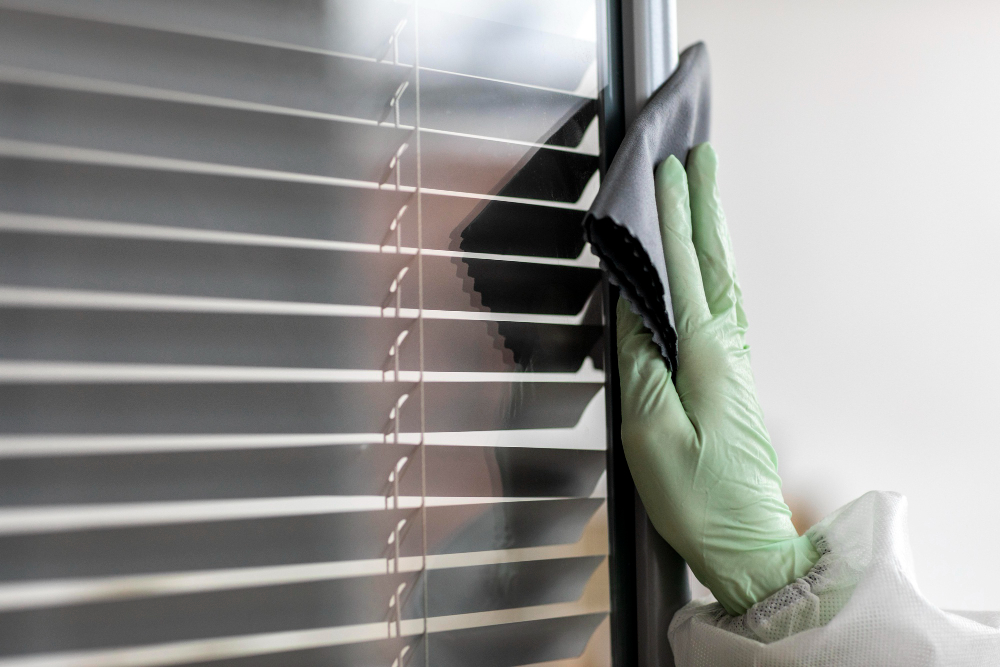
- Dust from top to bottom with a microfiber cloth
- Mix mild dish soap with warm water
- Dampen a soft cloth and wring thoroughly
- Wipe the surface gently in one direction
- Allow to air dry completely before rolling up
What You’ll Need: Cleaning Supplies Checklist
Before you start cleaning, gather these essential supplies. Having everything on hand makes the process faster and more efficient:
- Microfiber cloth or feather duster — for gentle dust removal without scratching
- Mild dish soap — Dawn or similar (avoid harsh chemicals)
- Warm water — not hot, which can damage some fabrics
- Spray bottle — for even moisture application
- Soft sponge — for gently applying cleaning solution
- Vacuum with soft brush attachment — for deep cleaning fabric shades
- Lint roller — for delicate fabrics and light dust
- Clean dry towels — for drying and blotting
- Optional: Anti-static dusting spray — reduces future dust accumulation
Pro Tip: Avoid using harsh chemicals, bleach, ammonia-based cleaners, pressure washers, or steam cleaners on any roller shade type. These can permanently damage the fabric and mechanical components.
Step-by-Step Cleaning Method for Roller Shades
Regular maintenance prevents dirt buildup and keeps your shades looking like new. Follow these detailed steps for best results:
Step 1: Lower the Shade Completely
Pull the shade all the way down to its lowest position. This exposes the entire surface and allows you to clean both sides evenly without missing any spots. For safety, ensure no one is working near the shade while it’s fully extended.
Step 2: Remove Loose Dust
Use a microfiber cloth or feather duster to remove loose dust from top to bottom in one direction. Work slowly and methodically, paying special attention to the top edges and seams where dust accumulates. For delicate fabrics, a lint roller can be gentler than brushing.
Step 3: Prepare Your Cleaning Solution
Fill a spray bottle or bowl with warm (not hot) water. Add a small amount of mild dish soap—typically just a few drops per cup of water. The solution should be barely sudsy. Mix gently to avoid excessive bubbles.
Step 4: Dampen Your Cloth (Not the Shade)
This is critical: dampen your cloth first, then wring it out thoroughly. The cloth should be moist but not wet. For vinyl or polyester shades, use a soft cloth. For fabric shades, use a soft sponge. Excess water is the #1 cause of damage to roller shades.
Step 5: Wipe the Surface Gently
Wipe the shade surface gently in smooth, downward motions. Work in sections from top to bottom. For stubborn spots, let the damp cloth sit on the area for 30 seconds before gently wiping. Do not rub aggressively, which can damage the fabric weave and cause rings or stains.
Step 6: Air Dry Completely
After cleaning, leave the shade fully lowered and allow it to air dry completely before rolling it back up. This typically takes 2–4 hours depending on humidity and ventilation. Never roll up a damp or wet shade, as this traps moisture and promotes mildew growth—a common problem in humid Gulf Coast homes.
How to Clean Different Types of Roller Shades
Not all roller shades are created equal. Your shade material determines the best cleaning method:
Cleaning Vinyl Roller Shades
Vinyl shades are durable and can tolerate more moisture than other materials. They’re an excellent choice for kitchens and bathrooms due to their water resistance.
- Wipe them down with a sponge dipped in soapy water
- Rinse with a clean damp cloth to remove soap residue
- Avoid abrasive scrubbers or steel wool, which can scratch the surface
- Dry thoroughly with a soft towel
- For tough grime, let soapy water sit for 2–3 minutes before wiping
Cleaning Fabric Roller Shades
Fabric shades require gentler care than vinyl. They’re more vulnerable to water damage and staining, so prevention is key.
- Use dry cleaning methods whenever possible—feather duster or soft cloth only
- Use a lint roller for light dust removal
- Use a vacuum with a soft brush attachment on low suction for deeper cleaning
- For stains, use a minimal amount of water and blot, never rub
- Blotting prevents water rings and spreads stains further into the fabric
- Allow extra time for fabric shades to air dry (4–6 hours)
Cleaning Blackout Roller Shades
Blackout roller shades have a special light-blocking coating on the back that can peel or degrade if cleaned incorrectly. This coating is what makes them effective at blocking sunlight and heat—and it’s delicate.
- Never use abrasive cloths or chemical cleaners on the coated side
- Dust with a dry microfiber cloth only on the back/coated side
- For the front surface, dampen a soft cloth with plain water—no soap—and wipe gently
- Avoid getting moisture on the back coating
- If the coating is peeling or bubbling, cleaning will not restore it and replacement is the better option
Cleaning Solar Shades
Solar shades are made from a woven mesh fabric designed to filter sunlight while providing privacy. The tiny openings in the weave can trap dust and require special care. Learn more about solar shades and their benefits →
- Vacuum both sides using a brush attachment on low suction
- The mesh can trap dust in the openings—vacuum gently to avoid pushing dust through
- For stuck-on grime, use a sponge with soapy water and rinse by wiping with a clean damp cloth
- Solar shades can tolerate more moisture than standard fabric shades but should still be air-dried completely
- Allow 3–4 hours drying time before rolling up
Cleaning Cassette Roller Shades
Cassette-style shades have a protective headrail that covers the rolled-up fabric, making them easier to maintain than standard roller shades. Explore cassette roller shade options →
- The headrail protects dust accumulation on the rolled fabric
- Clean the headrail with a dry cloth to prevent dust from falling when you raise the shade
- Follow the same cleaning process as standard roller shades for the fabric itself
- The cassette design extends shade lifespan by reducing exposure to dust and UV light
How to Remove Common Stains from Roller Shades
Different stains require different approaches. Here’s how to tackle the most common types:
Grease & Kitchen Stains
Kitchen roller shades frequently encounter grease and cooking residue from stovetop splashes.
- Apply a small amount of dish soap directly to the spot
- Let it sit for 2–3 minutes to break down the grease
- Gently blot with a damp cloth (not water alone—the soap is key)
- Rinse with a barely-damp cloth to remove soap residue
- Blot dry with a clean towel immediately
Mold & Mildew Stains (Gulf Coast Climate)
High humidity along the Texas Gulf Coast—including Friendswood, League City, Pearland, and Clear Lake—creates ideal conditions for mold and mildew on window treatments. This is especially common in bathrooms and kitchens.
- Mix equal parts white vinegar and water (the vinegar kills mold spores)
- Spray the affected area lightly—don’t oversaturate
- Let it sit for 5–10 minutes
- Blot gently with a clean cloth
- Air dry in a well-ventilated area for 6+ hours
- Prevent future mold by ensuring proper ventilation near windows, especially in bathrooms and kitchens
Climate Note: If humidity damage has warped or permanently stained your shades beyond cleaning, contact us for a free replacement consultation →
Crayon, Marker & Ink Stains
A common issue in homes with children.
- Use rubbing alcohol on a cotton ball or soft cloth
- Dab gently on the stain—do not rub, which spreads it
- Work from the outside edges of the stain toward the center
- Allow to air dry, then assess. Repeat if necessary
- Rinse with a damp cloth to remove alcohol residue
Pet Stains & Odors
Pet accidents on shades near doors or pet areas need prompt attention.
- Blot immediately with a clean cloth—don’t rub
- Use an enzyme-based cleaner designed for fabrics (like Nature’s Miracle)
- Follow the product instructions carefully
- Allow extra drying time (8+ hours) to prevent odor recurrence
- Ensure complete air circulation during drying
Water Rings & Mineral Stains
These appear as circular marks where water droplets dried on the fabric.
- Dampen the entire fabric panel lightly and evenly (not just the ring)
- This prevents a new ring from forming where the wet area meets the dry area
- Use a spray bottle to mist evenly from top to bottom
- Allow the entire panel to dry uniformly in a horizontal position if possible
- This blends the water mark into the overall shade
Cleaning Motorized Roller Shades: Special Precautions
Motorized roller shades are increasingly popular for convenience and modern appeal. However, they require extra care around electrical components.
- Avoid spraying liquid near the motor housing, battery pack, or wiring. Water damage can disable the motorization.
- Lower the shade fully using the remote control or app before cleaning
- Use only dry or barely-damp methods—no soaking or heavy moisture
- Never disconnect or attempt to remove motorized shades for cleaning without consulting the manufacturer or your installer
- If liquid does contact electrical components, stop using the shades immediately and contact a professional for repair
- Motorized shades typically last longer when cleaned with dry methods only
Looking for motorized roller shades? Browse our roller shade options →
What NOT to Do When Cleaning Roller Shades
These common mistakes cause permanent damage. Avoid them:
❌ Never Submerge Shades in Water
Don’t soak fabric shades in a bathtub, sink, or bucket. Submersion causes the fabric to absorb excessive water, which leads to stretching, warping, shrinkage, and permanent discoloration. The dyes can bleed, and backing materials can deteriorate. This applies to ALL shade types.
❌ Avoid Harsh Chemicals & Bleach
Never use bleach, ammonia-based cleaners (Windex, Lysol), harsh degreasers, or abrasive scrubbing powders. These break down fabric fibers, fade colors unevenly, and can create permanent stains. Always use mild dish soap only.
❌ Don’t Use Pressure Washers or Steam Cleaners
High-pressure water or steam blasts damage the fabric weave, dislodge backing materials, and can physically tear the shade. These tools are designed for exterior surfaces, not delicate window treatments.
❌ Never Roll Up Shades While Damp
Moisture trapped in a rolled-up shade creates the perfect environment for mold and mildew growth. This is particularly problematic in humid climates like the Gulf Coast. Always ensure shades are 100% dry before closing them. If mildew develops, it’s often permanent and requires replacement.
❌ Avoid Rubbing Stains Aggressively
Rubbing spreads stains deeper into the fabric, damages the weave, and creates visible wear patterns. Always blot gently and work from the outside edges of the stain toward the center. Patience is key.
❌ Don’t Use the Washing Machine
Tempting as it might be, washing machine agitation and spinning will destroy the fabric and warp the structural integrity of roller shades. The spinning cycle can tear the shade completely. Mechanical shades also contain components that will be damaged or destroyed in a washer.
Cleaning Schedule: How Often to Clean Roller Shades
Factors That Increase Cleaning Frequency:
- High humidity (Gulf Coast homes—Friendswood, League City, Pearland, Clear Lake)
- Proximity to kitchen (grease and cooking vapors)
- Pets (shedding, odors, accidents)
- Open windows near the shades (increased dust and pollen)
- Heavy traffic areas (more dust circulation)
- Smoking or cooking with oil/grease (residue buildup)
Professional Cleaning vs. DIY: When to Call an Expert
Most roller shade cleaning can be done at home with basic supplies. However, consider professional help if:
- Specialty Fabrics: Your shade has manufacturer cleaning codes or requires specific treatments
- Hard-to-Reach Locations: Shades are installed in vaulted ceilings, skylights, or other difficult-to-access areas
- Extensive Mold: Mold contamination is widespread and you’re unsure how to safely handle it
- Unknown Materials: You’re unsure about the shade material or how it will react to cleaning
- Motorized Shades: Electrical components need protection during cleaning
- Mechanical Damage: The spring, chain mechanism, or clutch is failing alongside visible dirt
Gulf Coast Blind and Shutter’s Expert Advice:
At Gulf Coast Blind and Shutter, we can advise on proper care for the specific shades we install. We’ve worked with thousands of homeowners across Friendswood, League City, Pearland, and Clear Lake—and we understand the unique maintenance challenges of our humid climate. Reach out anytime → with questions about maintaining your window treatments.
Reducing Future Dust Accumulation: Pro Tips
Prevention is easier than cleaning. Reduce how quickly dust settles on your shades:
Use Anti-Static Dusting Spray
Static electricity naturally attracts dust to fabric and vinyl surfaces. An anti-static spray (like Pledge or similar) applied to your microfiber cloth during dusting neutralizes this charge. A light dusting once weekly with an anti-static cloth can cut dust accumulation by 30–40%.
Improve Air Circulation
Poor air circulation causes dust to settle. Run ceiling fans periodically, especially near windows. Good ventilation also reduces humidity and mold risk—critical in Gulf Coast homes.
Use HVAC Filters Regularly
Upgrade to high-MERV HVAC filters (13 or higher) to capture more dust before it circulates and settles on your shades.
Control Humidity
Keep indoor humidity between 30–50%. Humidity over 60% encourages dust mites and mold. Use a dehumidifier in bathrooms, kitchens, and other moisture-prone areas—especially important in humid Gulf Coast climates.
Keep Windows Closed
Open windows invite outdoor dust and pollen. Keep windows closed during high-pollen seasons and use air conditioning to maintain indoor air quality.
Choose Cassette Roller Shades
The protective headrail on cassette roller shades → covers the rolled-up fabric, reducing dust accumulation compared to standard roller shades. This design naturally extends the time between deep cleanings.
When to Replace Instead of Clean
Sometimes cleaning isn’t the answer. Replace your roller shades if:
Deeply Stained Fabric
If spot cleaning has failed to restore appearance, and stains are visible from a distance, replacement is the better option. This is especially true for multiple large stains or discoloration.
Permanent Warping or Shrinkage
Once fabric has warped, shrunken, or puckered, it cannot be restored through cleaning. Water damage, improper storage, or prolonged heat exposure causes this permanent damage.
Uneven Fading
UV light and heat cause uneven fading over time. Cleaning cannot restore color. If fading is significant and uneven (e.g., darker at the top, faded at the bottom), replacement restores a uniform appearance.
Mechanical Component Failure
If the spring mechanism, chain, roller, or clutch is failing—or if the shade no longer raises and lowers smoothly—the shade needs replacement. Mechanical failure makes the shade unsafe and dysfunctional regardless of cleanliness.
Persistent Mold & Odors
Mold penetrates deep into fabric fibers and backing materials. Once it takes hold, cleaning typically does not remove it permanently. Persistent musty odors indicate deep-seated mold that requires replacement, especially in humid Gulf Coast homes.
Backing Deterioration
The backing on the underside of roller shades can peel, flake, or separate over time. This cannot be repaired and requires full replacement.
Holes, Tears, or Delamination
Physical damage like holes, large tears, or the fabric separating from the backing is permanent. These cannot be cleanly repaired and affect the shade’s light-blocking and privacy functions.
Ready for New Roller Shades? Browse our roller shade options → or schedule a free in-home consultation →
Frequently Asked Questions About Cleaning Roller Shades
Q: Can you wash roller shades in the washing machine?
A: No, absolutely not. Washing machine agitation and spinning will destroy the fabric and warp the structural integrity of roller shades. The mechanical components (spring, roller, chain) will be damaged or destroyed. Hand-cleaning with damp cloths only is the proper method.
Q: How often should roller shades be cleaned?
A: Dust roller shades weekly with a dry microfiber cloth and perform a deeper cleaning every three to six months. Increase frequency if you live in a humid climate (like the Gulf Coast), have pets, cook frequently, or live near a busy road. Kitchen and bathroom shades may need monthly spot-cleaning.
Q: Do roller shades attract dust?
A: Yes, static electricity causes dust to naturally cling to fabric and vinyl surfaces. Using an anti-static dusting spray on a microfiber cloth can help reduce future dust accumulation. Weekly light dusting prevents buildup better than monthly deep cleaning.
Q: Can I use bleach to remove mold from roller shades?
A: No, bleach will fade or permanently discolor your shades and damage the fabric. Use a 50/50 white vinegar and water solution instead, which kills mold spores without harming the shade. However, if mold is extensive or has caused permanent odors, replacement is often the better option.
Q: How do I prevent mold on roller shades in humid climates?
A: Keep humidity below 60% using dehumidifiers in bathrooms and kitchens. Ensure proper ventilation and air circulation near windows. Never roll up shades while damp. Wipe down shades in bathrooms after hot showers. In the Gulf Coast’s high humidity, monthly inspections are recommended.
Q: What’s the best cloth for dusting roller shades?
A: A microfiber cloth is ideal—it’s soft, lint-free, and naturally reduces static. Feather dusters also work well for large surfaces. Avoid paper towels (scratch the surface) and old cotton rags (leave lint and catch on the fabric).
Q: Can I use Windex or other window cleaners?
A: No, ammonia-based window cleaners (Windex, vinegar-based sprays, etc.) can damage fabric, cause streaks, and leave chemical residue. Stick with mild dish soap and water only.
Q: How long do roller shades last with proper care?
A: Quality roller shades last 5–10 years or longer with regular maintenance and proper cleaning. Motorized shades may last slightly shorter due to mechanical wear. In humid climates like the Gulf Coast, proactive care extends lifespan significantly.
Q: Can I take down my roller shades to clean them more easily?
A: While shades can sometimes be removed (depends on installation), we recommend cleaning them while installed when possible. This prevents accidental damage during removal and reinstallation. If you’re unsure about removal, consult your original installer or a professional.
Q: What should I do if my roller shade becomes permanently stained?
A: If stains persist after careful spot-cleaning, replacement is the better option. Permanent stains indicate deep fiber damage or dye issues that won’t improve. New roller shades are more cost-effective than continued attempted cleaning of damaged shades.
Roller Shade Care Tips for Gulf Coast & Houston Homes
The high humidity along the Texas Gulf Coast—including Friendswood, League City, Pearland, and Clear Lake—creates unique maintenance challenges for window treatments. Here’s what you need to know:
🌧️ Challenge: High Humidity & Moisture
The Problem: Average humidity in Gulf Coast areas frequently exceeds 70%, especially in summer and during rainy seasons. This moisture-rich air causes fabric shades to absorb water from the air, leading to mildew growth, musty odors, and permanent staining.
The Solution:
- Clean shades more frequently (every 2–3 months instead of 3–6)
- Inspect for early signs of mold: small dark spots, musty odors, visible discoloration
- Use a white vinegar and water solution monthly as a preventative treatment
- Ensure excellent ventilation near windows, especially in bathrooms and kitchens
- Keep indoor humidity below 60% using air conditioning and dehumidifiers
- Never leave shades partially lowered in humid rooms—fully lower or fully raise them
☀️ Challenge: Intense Heat & UV Exposure
The Problem: South-facing windows in Texas receive intense afternoon sun, causing rapid fading, brittleness, and material breakdown. UV light degrades fabric dyes and weakens fibers.
The Solution:
- Choose UV-protective shade fabrics (ask about solar shades → for maximum protection)
- Consider heat-blocking or blackout options for south and west-facing windows—they also reduce cooling costs
- Close shades during peak sun hours (11 AM to 4 PM)
- Inspect faded shades quarterly; replacement may be more cost-effective than struggling with discoloration
- Learn about heat-blocking solutions →
🌪️ Challenge: Hurricane & Storm Season
The Problem: During hurricane season, shades face pressure changes, wind-driven moisture, and potential water intrusion.
The Solution:
- Before severe weather, lower shades fully to protect them from wind damage
- After storms, inspect for water infiltration or damage
- If water entered your home, immediately air out and dry shades to prevent mold
- Consider motorized shades with battery backup so you can operate them even without power
🧂 Challenge: Salt Air (Coastal Areas)
The Problem: Homes very close to the coast (especially in Clear Lake) experience salt air exposure, which corrodes metal components and accelerates fabric degradation.
The Solution:
- Clean shades more frequently (monthly) to remove salt residue
- Choose vinyl or synthetic fabrics over natural fibers for better salt resistance
- Consider custom roller shades with stainless steel or powder-coated hardware for coastal durability
Gulf Coast-Specific Maintenance Guidance: If humidity damage has warped or permanently stained your shades, or if you want specific recommendations for your home’s climate challenges, contact us for a free consultation → We’ve served Friendswood, League City, Pearland, and Clear Lake for over 20 years and understand the Gulf Coast’s unique demands.
💡 Need New Roller Shades?
If your current shades are beyond cleaning or constantly need replacement due to our humid climate, it’s time for an upgrade. We offer custom roller shades, blackout options, solar shades, and motorized solutions built to withstand Gulf Coast conditions.
📞 Schedule a Free In-Home Consultation
Not sure what type of shades are right for your home? Our experts can recommend solutions for your specific needs, climate challenges, and style preferences. We serve Friendswood, League City, Pearland, Clear Lake, and throughout the Texas Gulf Coast.
📚 Learn More About Window Treatments
Explore our complete guides on window treatment types, maintenance tips, and home value benefits.
Keep Your Roller Shades Looking New
Proper cleaning extends the lifespan of your roller shades by years and keeps them looking like new. With regular dusting, occasional spot-cleaning, and the specific care methods outlined in this guide, your shades will remain a beautiful and functional part of your home.
Remember:
- ✅ Dust weekly with a microfiber cloth
- ✅ Deep clean every 3–6 months (or more in humid areas)
- ✅ Always blot, never rub stains
- ✅ Allow complete air drying before rolling up
- ✅ Use only mild dish soap and warm water
- ❌ Never use harsh chemicals, bleach, or pressure washers
- ❌ Never submerge fabric shades in water
If you have specific questions about maintaining the roller shades we’ve installed, or if you’re ready for new, durable window treatments designed for Gulf Coast living, reach out anytime → Our team is here to help.