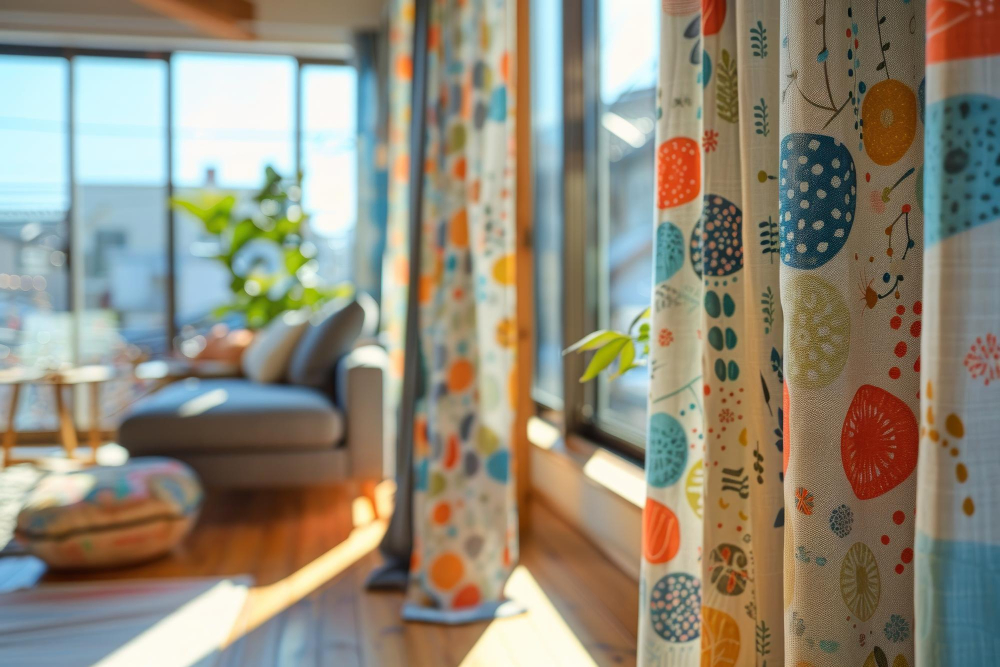
Window coverings have changed a lot in how people think about them. They used to be the last thing you picked for a room, a finishing touch you didn’t put much thought into. That’s not the case anymore. Heading into 2026, window coverings are treated as a working part of the home, something that manages comfort, light, energy, and privacy throughout the day.
If you’re updating your windows this year, it helps to know where things are heading. The 2026 trends point in a clear direction, and most of them are about coverings that do more while looking simpler. Here’s what’s defining the year.
Smart & Motorized Coverings Lead the Way
The biggest trend by far is motorization. Smart window coverings have moved from a luxury add-on to something a lot of homeowners now expect, and the technology has gotten reliable and affordable enough that it’s showing up in regular homes across every price range.
Why It’s Taking Over
Motorized shades and blinds can be controlled by remote, by app, by voice, or by an automated schedule. You can set them to open at sunrise, close during the hottest part of the afternoon, and drop for privacy at dusk, all without touching them. For hard-to-reach windows, tall windows, and busy households, that convenience is hard to pass up.
The Energy Angle
Motorization isn’t just about convenience. When shades close automatically during peak heat or cold, they’re managing the home’s temperature even when nobody’s thinking about it. That automatic response to sunlight and temperature is part of why motorized coverings keep growing in popularity.
Easier to Install Than Ever
Battery-powered and solar-charged motors have removed the old barrier of needing to hardwire everything. A solar strip on the headrail trickle-charges the battery using daylight, which makes motorization a realistic option for existing homes, not just new construction.
Energy Efficiency Is a Core Feature
Sustainability in 2026 is less about labels and more about results. Homeowners want coverings that actually lower their heating and cooling costs.
Cellular Shades Stay Strong
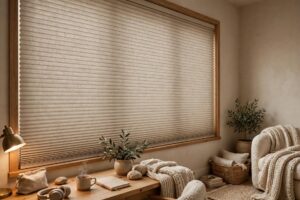
Cellular shades remain one of the most effective options for insulation. The honeycomb structure traps air at the window and helps stabilize indoor temperatures year-round. Paired with motorization, they get even better, closing automatically when the temperature calls for it.
Solar Fabrics
Solar screen fabrics also continue to grow because they cut heat and UV while keeping the view. For homeowners focused on comfort and energy savings, high-performance fabrics are now seen as a functional home feature rather than a decorative choice.
Natural Materials & Textures
The look of 2026 is warmer and more organic than the cooler, starker styles of recent years.
Woven & Natural Finishes
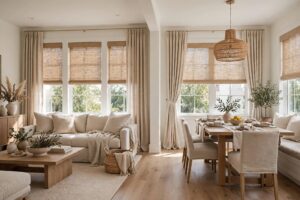
Woven wood shades, bamboo blinds, and natural fabrics like linen and cotton are all gaining ground. These materials add warmth, texture, and a handcrafted feel to a room. They bring an outdoor, natural quality inside without feeling heavy. Part of the appeal is that they age well. A woven wood shade doesn’t look dated after a few years the way a trendy pattern might, which fits the larger move toward coverings people want to keep for the long haul.
Texture Over Pattern
Even within fabric shades, the move is toward texture rather than bold patterns. A finely textured roller shade or a nubby woven fabric adds depth and personality while still reading as simple and calm. The goal is warmth without visual clutter.
Warmer Color Palettes
Color is shifting in 2026. Cool grays are giving way to warmer, nature-inspired tones.
What’s In
Beige, taupe, clay tones, soft muted greens, and warm neutrals are the colors of the year. These tones support natural light and pair easily with wood, stone, and other natural finishes.
A Different Job for Color
Window coverings used to be a way to add contrast to a room. Now the trend is the opposite. Coverings are chosen to settle into the room and support the overall mood rather than stand out against it. The covering becomes part of the calm, not a focal point.
Layered Window Treatments
Layering is one of the defining design trends of the year, and it’s about both function and looks.
How Layering Works
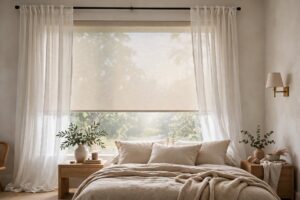
Instead of relying on a single covering, homeowners are combining treatments. A light filtering sheer handles daytime glare. A roller or cellular shade cuts heat in the afternoon. Drapery closes for privacy and insulation at night. Each layer does a different job, and together they give you a setting for every part of the day.
The Visual Payoff
Beyond function, layering adds depth and a finished feel to a room. With motorization, layered systems can work together smoothly without the operation becoming a hassle. It’s a way to get both flexibility and a designed, complete look. A window with a single shade always looks a little flat by comparison, while a layered window has dimension to it. That’s part of why designers keep reaching for the approach in living rooms and primary bedrooms.
Drapery Makes a Modern Return
Drapery is coming back in 2026, but not the heavy, ornate version from years past.
The New Approach
Today’s drapery leans on clean lines, intentional fabric choices, and subtle texture. Floor-to-ceiling panels add height and softness, while tailored pleats and simple hardware keep the look current. It’s drapery that anchors a room without overwhelming it, and it pairs well with modern shades and blinds underneath.
Cleaner Lines & Hidden Hardware
The push toward simple, architectural looks continues into 2026.
Concealed Mechanisms
Shutters with hidden tilt mechanisms, roller shades with slim profiles, and recessed or minimal hardware all reflect the same idea. The covering should look clean and uncluttered, with the working parts tucked out of sight. Cleaner sightlines make a room feel larger and more cohesive.
Streamlined Profiles
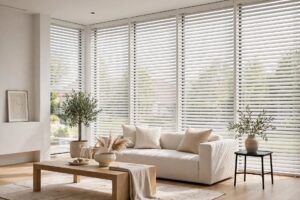
Slim-profile coverings let natural light take center stage while still doing their job. Light filtering roller shades, solar screens, and low-profile blinds fit this trend because they control light and privacy without competing with the rest of the room’s design.
Child & Pet Safety as Standard
Safety isn’t really a trend so much as an expectation now. Cordless and motorized coverings have become the default for family homes because they remove the hazard of dangling cords. Most manufacturers have shifted their lines toward cordless designs, so finding a safe option is easier than it used to be. What used to be a special-order feature is now just how a lot of products come, and that shift has made safe window coverings the normal choice rather than an upgrade you have to ask for.
Function Over Decoration
If there’s one idea tying all the 2026 trends together, it’s that window coverings are chosen for what they do, not just how they look. Homeowners are thinking about how each room is used and picking coverings that support that use. The decorative side still matters, but it comes after performance now, not before it. A covering that looks good but lets in afternoon heat or fades the floors isn’t seen as a win anymore. The expectation is that it earns its place by doing real work.
The Bottom Line
The window covering trends for 2026 point toward coverings that work harder and look simpler. Motorization leads the way, energy efficiency is a core feature, natural materials and warm colors set the tone, and layering gives homeowners flexibility through the day. Drapery returns in a cleaner form, hardware disappears into the design, and safety is built in from the start. If you’re updating your windows this year, the through-line is clear. Pick coverings that perform well, keep the look calm and natural, and let the windows do real work for your home.
We measure and install window treatments for homes in Friendswood, League City, Pearland, and Clear Lake. Book a free in-home estimate to see samples in your own windows before you decide.