Blinds do not come with an expiration date, so most people keep them until something goes obviously wrong. But blinds do wear out, and holding onto them too long means living with coverings that look bad, work poorly, and may not be safe. Knowing roughly how long blinds last and what signs to watch for helps you replace them at the right time rather than years too late.
Here is a look at how long blinds last, the signs it is time to replace them, and what affects their lifespan.
How Long Blinds Usually Last
The lifespan of blinds depends a lot on the material and how well they were made. As a rough guide, many blinds last somewhere between five and ten years. Cheaper, thinner blinds fall at the low end, wearing out in a few years. Quality blinds made from sturdier materials last toward the high end or beyond.
That range is wide because so much depends on the build and the use. A quality faux wood blind in a low traffic room can last well over a decade, while a thin vinyl blind in a sunny, busy room might fade and fail in a few years. So rather than counting years, it helps to watch for the signs of wear that tell you the time has come.
Material Makes the Difference
The material sets much of the lifespan. Sturdy faux wood, real wood, and quality composite blinds hold up for many years. Thin aluminum and cheap vinyl bend, fade, and break sooner. If you want blinds that last, the material you start with matters more than anything.
Signs It Is Time to Replace
Rather than tracking the years, watch for the signs that blinds are worn out. A few clear ones tell you it is time.
Bent or Broken Slats
Bent, cracked, or missing slats are the most common sign. Once slats are damaged, the blind cannot block light evenly and looks rough no matter how clean it is. A few bent slats might be lived with, but once several go, the blind is done.
Fading & Yellowing
Sun fades blinds over the years, and white slats yellow. Once the color has faded or yellowed, cleaning will not bring it back. Faded, yellowed blinds drag down the look of a room and signal it is time for new ones.
Sticking or Broken Mechanisms
When the lift sticks, the tilt fails, or the cords fray and jam, the blind stops working smoothly. A blind you have to fight to raise or that will not hold its position has worn out its mechanism. Once the operation goes, the blind is more frustration than function.
Reasons to Replace Beyond Wear
Sometimes it makes sense to replace blinds even before they fall apart. A few reasons come up often.
Safety Upgrades
Older corded blinds are a hazard for homes with children and pets. If you have old corded blinds and young kids or animals, replacing them with cordless ones is a safety upgrade worth making before the old blinds wear out. The safety reason alone can justify the swap.
Style Updates
Blinds that still work can look dated. If your blinds are an old color or style that no longer fits the room, replacing them freshens the space. Since windows are a big part of what you see in a room, new blinds can update a room’s look without a full redo.
Energy Improvements
Old, thin blinds do little for energy. Swapping them for coverings that help with insulation, like cellular shades, improves comfort and can lower energy bills. If your old blinds do nothing against the heat or cold coming through the windows, an upgrade helps.
What Affects How Fast Blinds Wear
A few things speed up or slow down how fast blinds wear out. Knowing these helps you get more years out of your coverings and pick better ones next time.
Sun Exposure
Blinds on the sunny side of a home fade and wear faster from the constant light. Windows that get less direct sun keep their blinds longer. Choosing fade resistant materials for sunny windows helps them last.
Room Conditions
Humid rooms like bathrooms and kitchens are hard on blinds that are not built for moisture. Real wood warps in these rooms, while faux wood holds up. Matching the material to the room’s conditions makes the blinds last longer.
Use & Handling
Blinds that get raised and lowered many times a day, or that pets and kids handle roughly, wear faster. High traffic windows need sturdier blinds. Gentle use and quality materials both stretch the lifespan.
Getting More Life From New Blinds
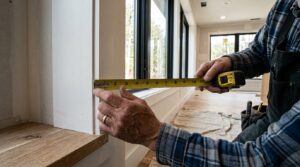
When you do replace your blinds, a few choices help the new ones last longer. Pick quality materials suited to each room, faux wood for damp or sunny spots, sturdier slats for high traffic windows. Choose cordless options that avoid the cord wear and tear. And get them fit right, since a blind measured and installed properly operates smoothly and lasts longer than one that is loose or forced.
A proper measure and install is part of getting your money’s worth from new blinds. A blind that fits the window right raises and lowers cleanly and takes less wear over the years. Starting with quality materials and a clean fit means the new blinds last toward the high end of their lifespan rather than the low end.
Pulling It All Together
Blinds usually last somewhere between five and ten years, with quality materials lasting longer and cheap ones wearing out sooner. Rather than counting years, watch for the signs of wear, bent or broken slats, fading and yellowing, and sticking or broken mechanisms. Beyond wear, safety upgrades, style updates, and energy improvements are all good reasons to replace blinds before they fall apart.
Sun exposure, room conditions, and how hard the blinds get used all affect how fast they wear. When you replace them, pick quality materials suited to each room, choose cordless for safety, and get the fit right so the new blinds last. Watch for the signs, replace at the right time, and your windows will keep looking good and working right for years.