When winter temperatures drop, windows can become one of the main sources of heat loss in a home. Even with the heating system running, cold glass and poorly insulated window frames can make rooms feel uncomfortable. Choosing the right window coverings can help address this problem. One popular option is cellular shades, also known as honeycomb shades, which are designed with an insulating structure.
But do cellular shades insulate well enough to keep your house warm in winter? Yes. Cellular shades help reduce heat transfer through windows by trapping air inside their honeycomb-shaped pockets. This additional layer of insulation can improve indoor comfort and potentially reduce heating demand. However, their effectiveness depends on the shade design, window condition, material, and installation.
Understanding how cellular shade insulation works can help you determine whether these window treatments are a worthwhile investment for your home.
Do Cellular Shades Insulate? (Short Answer)
Yes, cellular shades insulate windows by trapping air inside their honeycomb-shaped cells. These air pockets create an insulating barrier that slows heat transfer between your indoor space and the colder outdoor environment.
During winter, properly fitted cellular shades can help reduce heat loss through windows, improve comfort near cold glass, and support better indoor temperature management. Double-cell designs generally provide greater insulation potential than comparable single-cell options.
How Do Cellular Shades Work to Insulate Windows?
Cellular shades use a distinctive construction that separates them from traditional blinds and standard roller shades.
Understanding the Honeycomb Structure of Cellular Shades
Cellular shades feature connected fabric pockets that form a honeycomb pattern when viewed from the side. These pockets trap air, creating an additional insulating layer between the window glass and the room.
Unlike traditional horizontal blinds, which consist of adjustable slats, honeycomb shades create a continuous structure across the window. This construction helps limit heat transfer and makes them particularly useful for homeowners looking for better window insulation.
How Trapped Air Helps Reduce Heat Transfer
Air is a relatively poor conductor of heat when it remains trapped in small, enclosed spaces. Cellular shade pockets take advantage of this property to slow heat movement.
During winter, indoor heat naturally moves toward colder surfaces, including window glass. The air pockets inside cellular shades help reduce this transfer, allowing rooms to maintain more comfortable conditions.
How Cellular Shade Insulation Works During Winter
When installed over a window, cellular shades create an additional insulating layer. This helps reduce the amount of indoor heat escaping through the glass.
The result can be improved comfort, particularly in rooms with large windows or areas where occupants frequently notice cold temperatures near the glass.
Do Cellular Shades Keep Your House Warm in Winter?
Yes. Cellular shades can help keep your house warmer in winter by reducing heat loss through windows. Their honeycomb construction creates insulating air pockets that help separate cold window surfaces from indoor air.
How Cellular Shades Help Prevent Winter Heat Loss
Windows allow heat to move between indoor and outdoor environments. Cellular shades add another layer that slows this process.
This can be especially helpful in living rooms, bedrooms, and other spaces with large windows. Although cellular shades cannot replace properly insulated windows, they can improve the thermal performance of existing window coverings.
Can Honeycomb Shades Help With Cold Drafts?
Honeycomb shades can help reduce the discomfort associated with cold windows, but they do not necessarily stop air leakage.
Heat transfer and drafts are different problems. Heat transfer occurs through materials, while drafts involve unwanted air movement through gaps and openings. Weatherstripping and caulking are still necessary to address leaks around window frames.
Do Cellular Shades Make a Room Feel Warmer?
Yes. Cellular shades can improve perceived warmth by reducing exposure to cold window surfaces.
Even when the thermostat setting remains unchanged, a room may feel more comfortable when occupants are less exposed to cold glass and temperature differences near windows.
Can Cellular Shades Help Reduce Heating Costs in Winter?
Cellular shades may help lower heating demand by reducing window-related heat loss. However, actual savings depend on window efficiency, climate, shade construction, installation quality, and household heating habits.
What Types of Cellular Shades Offer the Best Insulation?
Not all cellular shades provide the same insulation potential. Their construction and number of honeycomb layers influence their performance.
Single-Cell Cellular Shades
Single-cell shades contain one layer of honeycomb pockets. They provide an insulating air barrier and are suitable for everyday window insulation needs.
Double-Cell Cellular Shades
Double-cell shades feature two layers of honeycomb pockets. Their additional structure provides greater insulation potential and makes them worth considering for colder rooms and climates.
Triple-Cell Cellular Shades
Triple-cell designs contain three layers of honeycomb pockets. They offer a deeper insulating structure and may benefit homes with greater insulation requirements. However, availability and performance vary by manufacturer.
Light-Filtering vs. Blackout Cellular Shades
Light-filtering shades allow diffused daylight into a room, while blackout cellular shades significantly reduce incoming light.
Blackout fabric does not automatically mean better insulation. Thermal performance depends more on the complete shade construction, materials, and fit than on opacity alone.
Top-Down/Bottom-Up Cellular Shades
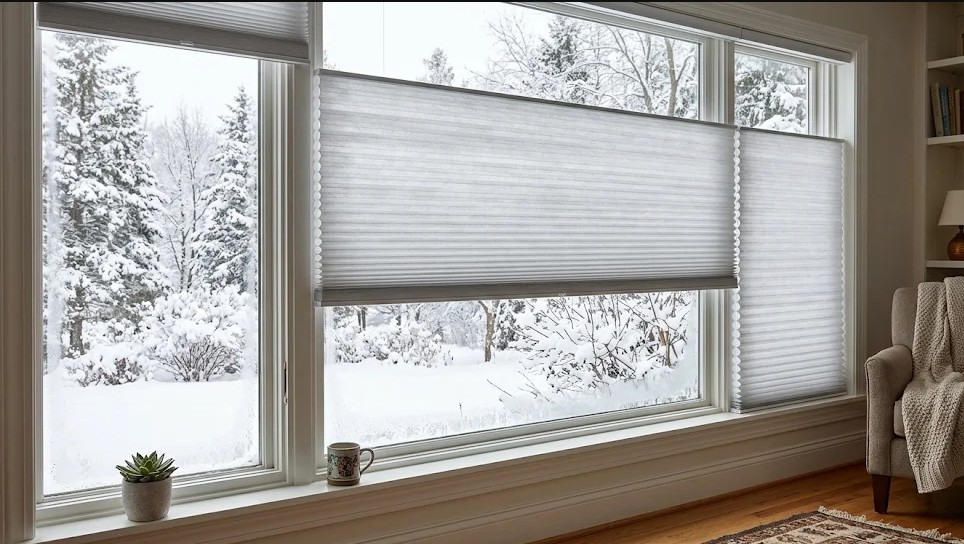
These shades can be adjusted from either the top or bottom, providing flexible light and privacy control. During winter, homeowners can allow sunlight into a room while maintaining coverage over other portions of the window.
What Factors Affect Cellular Shade Insulation Performance?
Several factors determine how effectively cellular shades help insulate windows.
Single-Cell vs. Double-Cell vs. Triple-Cell Construction
The number of honeycomb layers affects the shade’s insulating structure. Double-cell and triple-cell designs offer additional air pockets, although actual performance should be verified through manufacturer specifications.
Window Size and Glass Type
Single-pane windows generally lose more heat than double-pane windows. Large windows can also contribute significantly to overall heat transfer because they have more exposed glass.
Cellular shades can provide an additional insulating layer for both window types.
Inside Mount vs. Outside Mount Installation
Inside-mounted shades fit within the window frame, while outside-mounted shades extend beyond it. Inside mounts can leave small gaps around the edges, depending on the frame and measurements.
Outside mounts may provide more complete coverage when properly installed.
Fabric Material, Fit, and Edge Gaps
Fabric construction and shade quality influence insulation performance. Accurate measurements and appropriate installation help minimize unwanted gaps and improve coverage.
Cellular Shades vs. Other Window Treatments: Which Insulates Best?
Cellular shades are designed specifically with insulation in mind, but other window treatments can also help improve winter comfort.
Cellular Shades vs. Roller Shades
Cellular shades contain insulating honeycomb pockets, while standard roller shades generally use a single flat fabric layer. Insulating roller fabrics can improve performance, but standard options usually offer less thermal protection.
Cellular Shades vs. Roman Shades
Roman shades use folded fabric panels that can provide additional insulation, particularly when lined. Their effectiveness depends on fabric thickness and window coverage.
Cellular Shades vs. Thermal Curtains
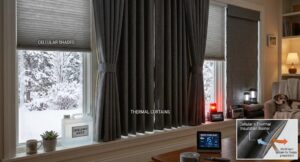
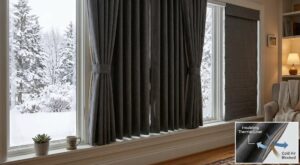
Thermal curtains use specially constructed fabrics or multiple layers to reduce heat transfer. Cellular shades offer a different approach through trapped air pockets. Combining both can provide additional window coverage.
Cellular Shades vs. Traditional Horizontal Blinds
Traditional blinds use adjustable slats that primarily control light and privacy. Cellular shades have a continuous honeycomb structure that offers greater insulation potential.
Comparison Table: Which Window Coverings Provide the Best Winter Insulation?
| Window Treatment | Insulation Potential | Construction | Best Winter Application |
|---|---|---|---|
| Single-cell cellular shades | Good potential | One honeycomb layer | Everyday insulation |
| Double-cell cellular shades | High potential | Two honeycomb layers | Colder rooms |
| Triple-cell cellular shades | High potential | Three honeycomb layers | Additional insulation needs |
| Thermal curtains | Varies | Multiple fabric layers | Nighttime heat retention |
| Roman shades | Varies | Folded fabric panels | Added window coverage |
| Roller shades | Varies | Flat fabric | Basic window coverage |
| Traditional blinds | Generally limited | Adjustable slats | Light and privacy control |
Actual insulation performance varies by product, window condition, installation, and fit. These categories are comparative descriptions, not standardized thermal ratings.
How to Maximize Cellular Shade Insulation During Winter
Choosing cellular shades is only part of improving window insulation. Proper selection and installation also matter.
Step 1: Choose the Right Cellular Shade Design
Compare single-cell and double-cell options based on your climate, window size, and insulation requirements. Consider triple-cell designs when additional insulation is a priority.
Step 2: Measure Your Windows Accurately
Measure the width and height of each window carefully. Account for the mounting method and ensure the selected shade provides appropriate coverage.
Step 3: Install Cellular Shades Properly
Follow the manufacturer’s installation instructions. Position the shades correctly and minimize unnecessary gaps around the window.
Step 4: Open Shades During Sunny Winter Days
Allow sunlight to enter when direct sunlight reaches your windows. This helps take advantage of passive solar heating and naturally warms interior surfaces.
Step 5: Close Shades After Sunset
Close cellular shades in the evening to create an additional insulating barrier and help reduce nighttime heat loss.
Step 6: Combine Cellular Shades With Other Insulation Methods
Use weatherstripping and caulking to address air leaks. Consider thermal curtains when additional window coverage is needed.
Common Cellular Shade Insulation Mistakes to Avoid
- Choosing the wrong size: Poorly fitted shades can leave unnecessary gaps around windows.
- Ignoring edge gaps: Small openings can reduce the effectiveness of window coverage.
- Assuming blackout means better insulation: Opacity and thermal performance are different characteristics.
- Expecting shades to eliminate drafts: Cellular shades do not replace weatherstripping or proper window sealing.
- Overlooking existing window problems: Damaged frames, air leaks, and inefficient glazing may require separate improvements.
Frequently Asked Questions About Cellular Shade Insulation
Do cellular shades insulate windows effectively?
Yes. Cellular shades help slow heat transfer through windows by trapping air inside their honeycomb-shaped pockets. Their effectiveness depends on construction, fit, and installation.
Do cellular shades keep your house warm in winter?
Yes. They create an additional insulating layer that helps reduce heat loss through windows and improve indoor comfort during colder months.
Are honeycomb shades good for winter?
Yes. Honeycomb shades are particularly useful during winter because their enclosed air pockets help slow heat transfer.
Are double-cell cellular shades warmer than single-cell shades?
Generally, double-cell shades offer greater insulation potential because they contain additional honeycomb layers. Actual performance varies by product.
Do cellular shades help reduce heating costs?
They may help reduce heating demand by limiting heat loss through windows. Actual savings depend on the home’s existing insulation and other conditions.
Are blackout cellular shades more insulating?
Not necessarily. Blackout describes light-blocking performance, not insulation quality. Shade construction, fabric, and fit are more important considerations.
Do cellular shades prevent cold drafts?
They can reduce discomfort near cold windows, but they do not reliably eliminate air leaks. Proper window sealing is necessary to address drafts.
Are cellular shades better than thermal curtains for insulation?
Both can help improve window insulation. Cellular shades use trapped air pockets, while thermal curtains rely on insulating fabric construction. Performance depends on the specific products and installation.
Should cellular shades be open or closed during winter?
Open them when direct sunlight can warm your home during the day. Close them after sunset to help reduce heat loss.
Do cellular shades work on double-pane windows?
Yes. Cellular shades can provide an additional insulating layer over double-pane windows, potentially improving comfort and reducing further heat transfer.
Conclusion: Are Cellular Shades Worth It for Winter Insulation?
Cellular shades are a practical option for homeowners looking to improve window insulation and maintain indoor comfort during winter. Their honeycomb construction traps air, helping slow heat transfer and reduce window-related heat loss. Double-cell and triple-cell designs offer additional insulation potential, while proper measurements, installation, and window sealing help maximize performance. If cold windows are affecting your home’s comfort, cellular shades are worth considering as part of a broader winter insulation strategy.