When temperatures drop, keeping your home warm becomes a priority. While adjusting your thermostat is an obvious solution, your window coverings can also influence how much heat your home retains. This raises a common question for homeowners: should you open or close blinds in winter?
The answer depends on the time of day, sunlight exposure, and the type of window coverings you use. Opening blinds when sunlight enters your home can provide natural warmth, while closing them after sunset helps reduce heat loss through windows. Choosing insulating options, such as cellular shades or thermal curtains, can provide additional benefits.
Understanding when to adjust your blinds and which window treatments offer better insulation can help improve indoor comfort throughout the colder months.
Should You Open or Close Blinds in Winter? (Short Answer)
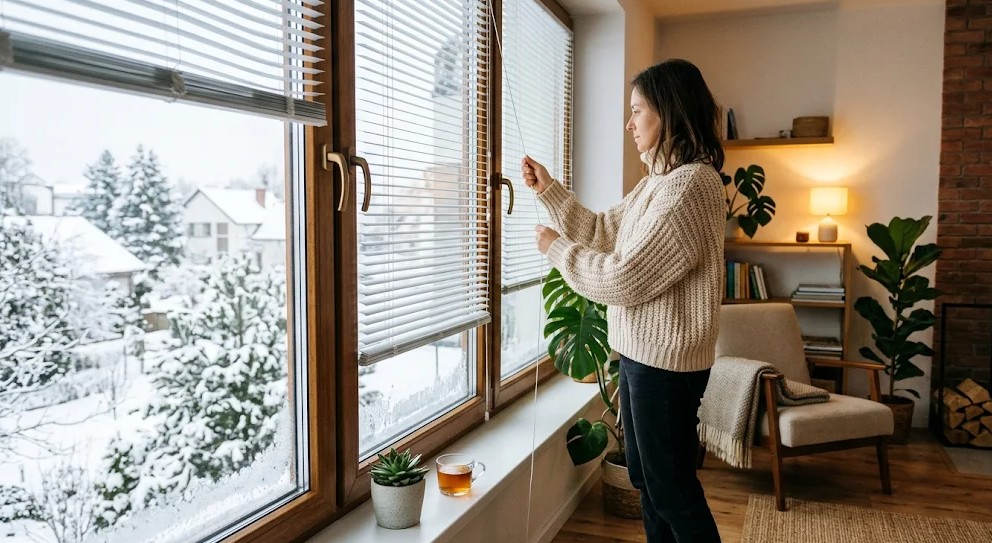
You should generally open blinds during sunny winter days and close them before sunset. Open window coverings allow sunlight to enter and naturally warm your indoor spaces. Once the sun goes down, closing blinds creates an additional barrier that can help reduce heat loss through windows.
For better winter insulation, consider cellular shades, thermal curtains, or other window coverings designed to limit heat transfer.
Why Does Opening and Closing Blinds Matter in Winter?
Windows influence indoor temperatures because heat naturally moves between warmer and colder environments. During winter, indoor heat can escape through window glass, frames, and gaps around the edges.
How Windows Affect Indoor Temperatures During Winter
Single-pane windows generally allow more heat transfer than modern double-pane windows. Double-pane designs use two layers of glass with an insulating space between them, helping reduce heat loss.
Even with energy-efficient windows, cold glass surfaces can affect indoor comfort. Proper window coverings provide another layer between the glass and your living space.
How Sunlight Helps Warm Your Home in Winter
Sunlight provides natural warmth through passive solar heating. When sunlight enters through windows, it can warm floors, furniture, and other interior surfaces.
South-facing windows in the Northern Hemisphere often receive substantial sunlight during winter. Opening their blinds during sunny hours can help take advantage of this natural heat.
Why Closing Blinds at Night Helps Retain Heat
After sunset, windows become cooler as outdoor temperatures drop. Closing blinds helps create an additional insulating layer, reducing direct exposure to cold window surfaces and improving comfort near windows.
Should You Open or Close Blinds During Different Times of the Day in Winter?
Your winter blind routine should change depending on sunlight and outdoor temperatures.
Should You Open Blinds During Sunny Winter Days?
Yes. Opening blinds when direct sunlight reaches your windows allows natural warmth into your home. Prioritize windows receiving strong sunlight, particularly south-facing windows.
However, opening blinds provides little heating benefit when windows receive minimal sunlight. In that situation, keeping insulating window coverings closed may be more practical.
Should You Close Blinds at Night in Winter?
Yes. Closing blinds after sunset helps limit heat loss and reduces the discomfort associated with cold window surfaces.
For better results, close blinds before indoor temperatures begin dropping significantly. Cellular shades and properly fitted curtains can provide additional insulation.
What Should You Do on Cloudy or Extremely Cold Winter Days?
On cloudy days, sunlight may not provide enough warmth to justify opening your blinds. Keeping insulating shades closed can help maintain a more comfortable indoor environment.
Adjust your routine according to actual sunlight exposure rather than following a fixed schedule throughout winter.
Do Cellular Shades Insulate Windows in Winter?
Cellular shades are among the window coverings specifically designed to improve insulation. Their distinctive honeycomb construction creates air pockets that help slow heat transfer between windows and indoor spaces.
How Cellular Shades Work as Insulating Window Coverings
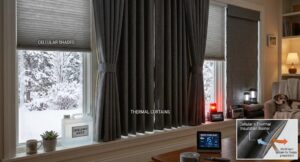
Cellular shades feature connected fabric cells that trap air within their honeycomb-shaped structure. This trapped air acts as an insulating layer, helping reduce heat movement through windows.
Single-cell shades contain one layer of honeycomb pockets, while double-cell designs feature two layers for additional insulation potential.
Do Cellular Shades Help Keep Heat Inside During Winter?
Yes. Cellular shades can help reduce heat loss through windows, particularly when they fit closely within the window frame.
Their insulating construction makes them a practical choice for bedrooms, living rooms, and other spaces where maintaining comfortable temperatures matters.
Are Double-Cell Cellular Shades Better for Winter Insulation?
Double-cell cellular shades generally provide more insulating material and additional air pockets than comparable single-cell designs. However, actual performance depends on fabric, construction, installation, and window fit.
They can be particularly useful for rooms with large windows or noticeable temperature differences near the glass.
Should Cellular Shades Be Open or Closed in Winter?
Follow the same daytime and nighttime approach:
- Open cellular shades when direct sunlight can warm your home.
- Close them after sunset to help reduce heat loss.
- Keep them closed when sunlight is unavailable and insulation is the priority.
Which Window Coverings Are Best for Winter Insulation?
Different window treatments offer different levels of insulation and light control.
Cellular Shades
Cellular shades are a strong option for winter insulation because their honeycomb pockets trap air. They combine adjustable light control with an insulating structure.
Roman Shades
Roman shades use fabric panels that fold neatly when raised. Their insulation potential depends on fabric thickness, lining, and how closely they fit the window.
Thermal Curtains
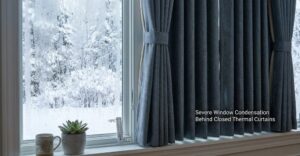
Thermal curtains use specially designed fabrics or multiple layers to help reduce heat transfer. Floor-length curtains that cover the window properly can provide additional protection against cold conditions.
Roller Shades
Roller shades offer convenient light control and privacy. Insulating fabrics can improve their thermal performance, although standard lightweight materials may provide limited insulation.
Wood and Faux Wood Blinds
Wood and faux wood blinds offer adjustable slats for controlling sunlight and privacy. However, their construction generally provides less insulation than cellular shades or thermal curtains.
Comparison Table: Which Blinds and Shades Keep Your Home Warmest in Winter?
| Window Covering | Insulation Potential | Light Control | Best Winter Use |
|---|---|---|---|
| Cellular shades | High potential | Adjustable | Reducing window heat loss |
| Double-cell shades | High potential | Adjustable | Colder rooms and drafty windows |
| Roman shades | Varies by fabric | Adjustable | Additional fabric insulation |
| Thermal curtains | Varies by construction | Excellent | Nighttime heat retention |
| Roller shades | Varies by material | Adjustable | Basic window coverage |
| Wood blinds | Limited | Adjustable | Privacy and light management |
Actual insulation performance varies depending on materials, installation, window construction, and how well the covering fits.
How to Keep Your Home Warm by Using Blinds Correctly in Winter
Follow these practical steps to make better use of your window coverings.
Step 1: Identify Which Windows Receive Direct Sunlight
Observe how sunlight moves through your home. Identify south-facing and other windows that receive direct sunlight during winter.
Step 2: Open Blinds During Peak Sunlight Hours
Raise your blinds when sunlight reaches the windows. Allow natural warmth to enter and heat interior surfaces.
Step 3: Close Blinds Before Sunset
Close blinds and shades before evening temperatures drop. This helps reduce heat loss through exposed windows.
Step 4: Choose Insulating Shades for Cold Windows
Consider cellular shades, particularly double-cell options, for windows that contribute to uncomfortable temperature differences.
Step 5: Seal Gaps Around Windows
Use appropriate weatherstripping and caulking to address air leaks around window frames. Insulating window coverings cannot fully compensate for significant drafts.
Step 6: Combine Blinds With Thermal Curtains When Needed
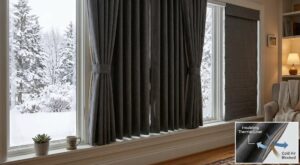
Adding thermal curtains over blinds can provide another layer of insulation. Make sure window treatments remain safely clear of radiators, heaters, and other heat sources.
Common Winter Blind Mistakes That Can Make Your Home Colder
- Keeping blinds closed all day: You may miss opportunities to benefit from natural sunlight and passive solar heating.
- Leaving blinds open at night: Exposed windows can contribute to greater heat loss and discomfort.
- Ignoring window drafts: Air leaks around frames can undermine the benefits of insulating window coverings.
- Choosing poorly fitted shades: Gaps around window coverings can reduce their insulating effectiveness.
- Expecting blinds to replace window insulation: Blinds can improve comfort, but they cannot replace proper window upgrades or draft sealing.
Frequently Asked Questions About Blinds and Window Insulation in Winter
Should blinds be open or closed in winter?
Open blinds during sunny daytime hours to benefit from natural sunlight. Close them after sunset to help reduce heat loss through windows.
Is it better to keep blinds open during the day in winter?
Yes, when direct sunlight reaches your windows. Sunlight can naturally warm indoor surfaces and improve comfort.
Should you close blinds at night in winter?
Yes. Closing blinds at night creates an additional barrier between cold windows and indoor spaces, helping reduce heat loss.
Do cellular shades insulate?
Yes. Cellular shades use honeycomb-shaped air pockets to slow heat transfer, making them a useful option for improving window insulation.
Are cellular shades better than regular blinds in winter?
Cellular shades generally offer better insulation potential because their honeycomb construction traps air. Standard horizontal blinds primarily provide light and privacy control.
Do blinds help keep heat inside a room?
Yes. Certain window coverings help reduce heat transfer and improve indoor comfort, although their effectiveness depends on construction and installation.
What type of blinds are best for cold weather?
Cellular shades, particularly double-cell designs, are a strong option for cold weather because their insulating air pockets help reduce heat loss.
Do thermal curtains work better than blinds in winter?
Thermal curtains can provide substantial insulation when properly fitted. Cellular shades can also be highly effective. The better option depends on material, construction, and installation.
Can window shades reduce heating costs in winter?
Insulating window shades may help reduce heat loss and heating demand. However, actual savings depend on your windows, climate, heating system, and daily usage.
Conclusion: Use Your Blinds Strategically to Keep Your Home Warm This Winter
Knowing whether to open or close blinds in winter can make a difference in indoor comfort. Open them during sunny days to benefit from natural warmth, then close them after sunset to help reduce heat loss. For additional insulation, consider cellular shades, thermal curtains, and properly fitted window coverings. Combining smart blind use with draft sealing can help keep your home more comfortable throughout the winter season.